
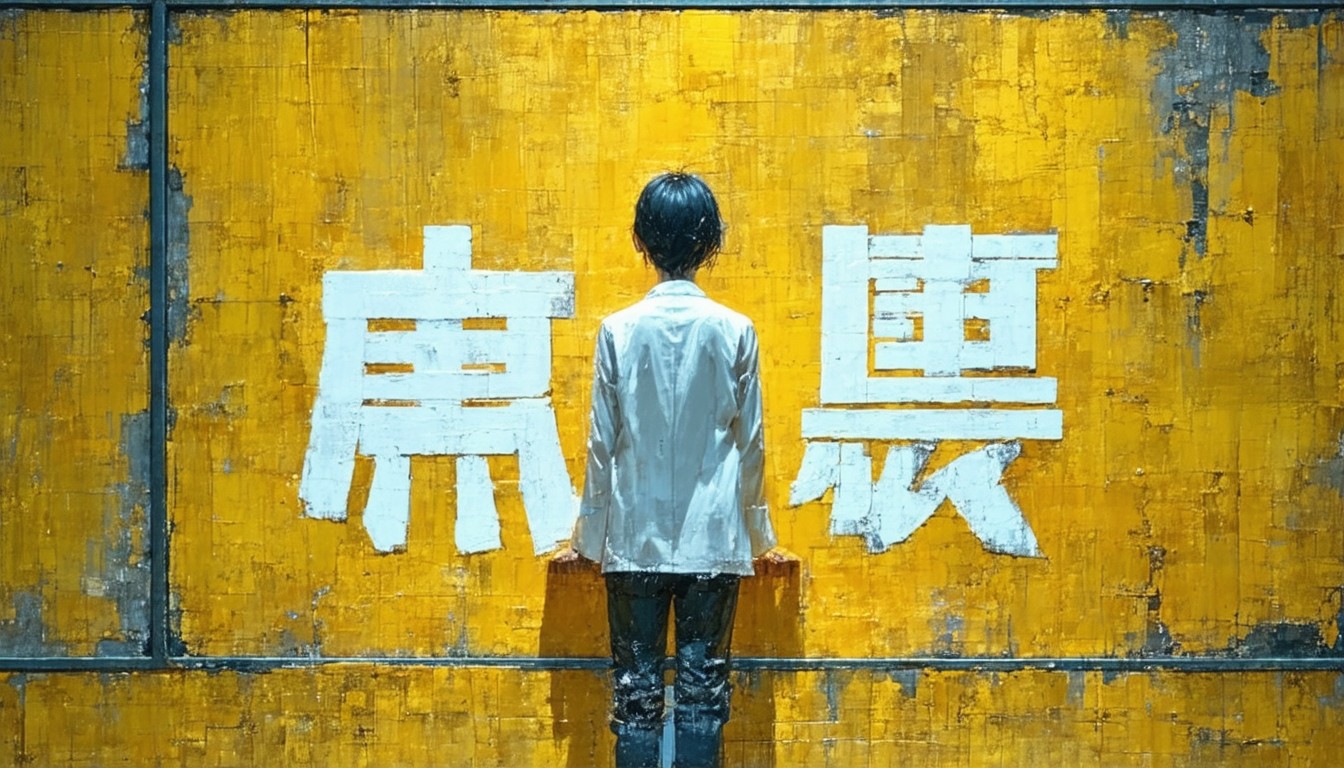

In the ever-evolving landscape of Chinese social media, few phenomena have sparked as much conversation or controversy as the rise of “福利姬” (transliterated as fúlì jī). At first glance, the term refers to charismatic internet personalities—primarily young women—who share alluring, sometimes risqué photos or videos online. However, the concept of 福利姬 has rapidly outgrown its initial context, emerging as a multi-layered trend with implications for entertainment, commerce, digital privacy, and societal values. The swift proliferation of these online personalities underscores broader shifts in internet culture, as well as nuanced debates about autonomy, regulation, and the boundaries of online expression.
The Origin and Definition of 福利姬
The phenomenon of 福利姬 is rooted in the confluence of online cosplay communities and a growing appetite for visually engaging content. Originally, “福利” (fúlì) in internet slang denoted “benefits” or “perks,” often used euphemistically to hint at content that skirts the line between playful and provocative. “姬” (jī) colloquially stands for “girl.” Together, the term roughly translates to “benefit girl” or “welfare queen,” characterizing content creators who attract large followings by providing “perks” in the form of appealing visuals.
Early Platforms and User Communities
The rise of 福利姬 began on platforms such as Weibo, Douyin (the Chinese equivalent of TikTok), and Bilibili, where users shared cosplay photography, lifestyle vlogs, and curated short videos. With the rapid expansion of mobile internet access in China, millions of young people began consuming and producing this style of content. What started as niche fan culture quickly morphed into a viral sensation, propelled by peer-to-peer sharing and algorithm-driven feeds.
Why the Sudden Rise?
Several factors have converged to fuel the popularity of 福利姬:
- Youth digital literacy: Younger generations adept at multimedia tools and photo editing have the skills to create high-quality content.
- Algorithmic incentive structures: Platforms reward captivating visuals with boosted exposure.
- Changing attitudes toward self-expression: As traditional taboos weaken, a segment of young women have leveraged these platforms for both creative outlet and personal branding.
The Business Ecosystem: Monetization and Commercialization
Beyond mere self-expression, 福利姬 has evolved into a burgeoning digital economy. Many creators have found ways to monetize their followings through direct fan support, merchandising, and brand partnerships.
Monetization Models
- Subscription-based content: Some 福利姬 offer premium content via private chat groups or paid subscriptions.
- E-commerce integration: Creators frequently collaborate with brands, leveraging their influence to promote fashion, cosmetics, or games.
- Virtual gifting and tips: Fan-driven tipping, common on livestream and video platforms, forms a significant income stream for top creators.
“The transactional relationship between 福利姬 and their audiences reflects broader shifts in the creator economy—where fans are not just passive spectators, but active financial supporters,” notes Dr. Liu Wei, a digital culture researcher at Zhejiang University.
Platform Policy and Risk Management
As the line between acceptable content and platform guidelines blurs, major Chinese tech firms have implemented stricter moderation. Artificial intelligence-driven content filters and real-name registration requirements attempt to curb illicit activity and protect minors. However, such measures are in constant flux, as creators and audiences migrate between platforms to evade restrictions or pursue new opportunities.
Social Implications and Public Discourse
The rise of 福利姬 has triggered both admiration and criticism, becoming a focal point for discussions around values, exploitation, and digital citizenship.
Shifting Gender Norms
On one side, some see the phenomenon as emblematic of female empowerment—a way for young women to assert autonomy over their image and income. On the other, critics argue that it perpetuates harmful stereotypes or exposes minors to potentially exploitative situations. Both viewpoints highlight rapidly shifting gender dynamics in a society where traditional norms are losing their universal hold.
Privacy, Consent, and Regulation
The prevalence of 福利姬-related content has spotlighted recurring issues of privacy and consent. Cases of unauthorized photo distribution and catfishing schemes have emerged, prompting debates on legal reforms. In some instances, digital “rights protection” campaigns have sought to educate the public about online safety and intellectual property.
Public Response and Social Debates
Mainstream media and public commentary have vacillated between fascination and moral panic. Government agencies routinely campaign against pornography and “vulgar content,” while prominent voices in academia and the arts debate the boundaries of artistic freedom online.
In practice, many young Chinese netizens simply view 福利姬 as a creative, commercialized extension of the influencer economy—one that looks increasingly similar to trends in the global digital landscape, from Instagram models to OnlyFans creators.
Case Studies and Illustrative Examples
Notable Creators and Microtrends
Some 福利姬 have garnered millions of followers and, at their peak, wielded commercial influence rivaling that of established celebrities. Their success stories are often featured in tech and lifestyle media, illustrating the potential for fame—and backlash—in China’s densely interconnected social networks.
For example, a widely-cited case involved a Douyin creator whose cosplay photos led to lucrative sponsorships and magazine shoots, only to later face a wave of account suspensions when community standards shifted. On the micro level, meme-based trends, selfie challenges, and “fan group economics” have added depth and unpredictability to the ecosystem.
International Comparison
While the concept is distinctly rooted in Chinese web culture, parallels can be drawn with global trends. Western platforms such as Instagram, Patreon, and TikTok have likewise spawned economies around personality-driven, often visually enticing content. These analogs help situate the 福利姬 phenomenon within a broader context of social media evolution.
Strategic Perspectives and Future Outlook
Adapting to Regulatory Shifts
For creators and digital marketers, navigating China’s rapidly changing regulatory climate is essential. Some anticipate further crackdowns on “vulgar” content, while others suggest the sector will mature as more creators establish formal commercial partnerships and clearer boundaries between artistic expression and exploitation.
The Role of Technology
With advances in AI-powered content monitoring, deepfake detection, and age verification, platforms may gain greater leverage to enforce community standards. Meanwhile, blockchain-based digital rights management could emerge as a tool for safeguarding creator content and combating unauthorized distribution.
Cross-Platform Migration and Globalization
As domestic regulation intensifies, some creators aim to export their content to overseas platforms or diversify into non-traditional online spaces. This dynamic global interchange highlights both the adaptability of Chinese content creators and the growing entanglement of digital cultures worldwide.
Conclusion: Beyond a Trend—A Reflection of Modern Internet Culture
The emergence of 福利姬 is more than just a fleeting meme or controversy—it crystallizes complex shifts in technology, gender norms, creative labor, and online regulation. At its core, the trend reflects a generation eager to rewrite the rules of self-presentation and digital entrepreneurship, yet also faces structural challenges ranging from legal compliance to ethical quandaries. For policymakers, platform operators, and cultural observers alike, the experience of 福利姬 offers profound lessons on the promises and perils of hyperconnected online societies.
FAQs
What does 福利姬 mean in Chinese internet culture?
福利姬 typically refers to young women who share attractive or provocative content on Chinese social media platforms, often as a form of self-expression or online entrepreneurship.
How do 福利姬 monetize their online influence?
They use various models, including paid subscriptions, brand collaborations, tips during live streams, and sometimes exclusive groups or chat communities where fans pay for premium content.
Are there legal or ethical concerns associated with 福利姬?
Yes, issues include the risk of exploitation, underage content, copyright infringement, and privacy violations, leading to ongoing debates about regulation and digital rights.
How do Chinese platforms manage potentially controversial content?
Social media companies use AI-based filtering, content moderation, and real-name registration to monitor content and enforce community guidelines, though policies change frequently.
Is the 福利姬 trend unique to China?
While the term is unique to Chinese networks, similar influencer-driven phenomena exist globally, such as Instagram models and creators on Patreon or OnlyFans, showing common patterns in digital media trends.
What impact has the trend had on gender norms and online expression in China?
The phenomenon has challenged traditional gender roles, sparking debate around empowerment, representation, and the limits of self-expression in the digital realm.




Leave a comment