
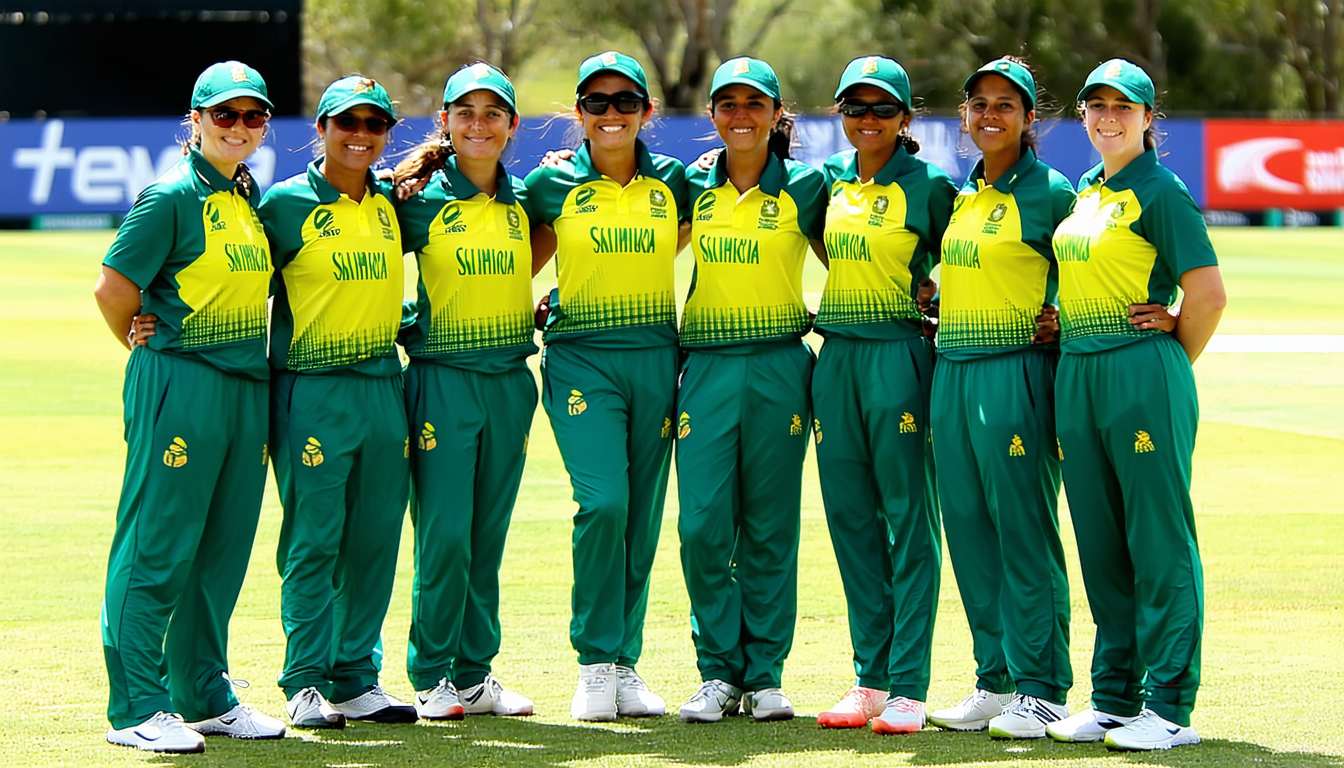

The story of the South Africa women’s national cricket team mirrors, in many ways, the nation’s broader journey through struggle, reinvention, and big, sometimes messy leaps forward. From the early days—where matches were rare, support even rarer— to the bustling vibrancy of a team now playing at the highest levels of world cricket, these women have carved out a space through both grit and talent. Admittedly, progress hasn’t always been smooth; a bit of chaos is just part of sports, maybe of South Africa, too. Ask any follower at Newlands: the passion outweighs the polish.
Key Players: Profiles in Tenacity and Talent
Cricket is, if nothing else, a team game—though, let’s be honest, individual brilliance often grabs the headlines. Over recent years, several South African women cricketers have emerged as global stars, carrying the Proteas green with pride and nerve.
Marizanne Kapp: The Relentless All-Rounder
It would feel wrong to start anywhere else than Marizanne Kapp. She’s the definition of a match-winner: sharp with the ball, clever with bat in hand. Kapp has made crucial contributions in both ODIs and T20Is, regularly featuring among the ICC’s top-ranked all-rounders. Her knack for producing clutch performances, like her player-of-the-match showing in the 2022 World Cup semi-final, has cemented her as a South African cricket icon.
Shabnim Ismail: Fast and Fearless
Ismail brought fast bowling to new heights in women’s cricket—sometimes literally. Her fiery pace and aggression set the tone for the attack. She’s bagged over 100 wickets in each white-ball format, something rare for the women’s game globally. It’s not just about the numbers, though; there’s almost a mythic quality to the way she can swing a match with a single spell.
Sune Luus: Versatile Leadership
Tactical flexibility is Sune Luus’s trademark. Filling gaps as a batter, bowler, and a captain (when Dane van Niekerk was out), Luus balances strategic mindset with a big heart. She reminds many of a chess player—a bit unpredictable, always thoughtful. Her impact often comes through in those hard-to-measure moments; shifting field placements, calming a younger bowler, just doing little things right.
Beyond this core, the likes of Laura Wolvaardt (whose cover drive is practically art), Ayabonga Khaka, and Chloe Tryon have made the lineup balanced and deep.
Major Milestones and Achievements
Looking back, progress has arrived in fits and starts—sometimes with quiet steps, other times with grand gestures. The team’s breakthrough moment arguably came at the 2017 Women’s World Cup, reaching their first semi-final. They did it again in 2022, this time on home soil, grabbing headlines and hearts with their gutsy performances. Many would call the 2023 T20 World Cup final appearance a watershed; others might still sigh, remembering how close they came.
Tournament Performances: A Closer Look
- World Cup Appearances: After re-entering international cricket post-apartheid in 1997, the Proteas have reached the knockouts in recent World Cups, turning heads with surprising upsets and tight games.
- Consistent ICC Rankings: Mostly sitting in the world’s top five for both ODIs and T20Is, a testament to long-term investment in youth and domestic structures.
- Trailblazing Leadership: Dane van Niekerk’s captaincy marked an era of bold ambition. Even amid injuries and setbacks, the Proteas have maintained an edge, often winning away in tough conditions—no small feat.
“The women’s team has shown a consistency and resilience that sets them apart in world cricket, proving they can compete with—and beat—the best teams globally.”
— Cricket South Africa spokesperson
Culture, Support, and the Road Less Travelled
Even as the wins pile up, the team’s journey reminds us of the complex, sometimes frustrating, realities facing women’s sport in South Africa. Funding and media coverage tend to ebb and flow; stadiums are not always packed. However, significant strides have been made, with more young girls playing cricket than ever before and sponsors gradually showing up. Still, challenges do persist—grassroots structures, fair pay, and opportunities lag in comparison to more resourced nations like Australia or England.
Some matches have been played in front of half-empty stands, but those who turn up are loud, proud, and loyal. In recent years, support swelled—especially after headline-worthy performances. On the ground, coaches and players speak candidly about juggling sport, education, and work. It’s real-life resilience.
Stats Snapshot: By the Numbers
Let’s keep stats simple, but meaningful. The top run-scorers include Mignon du Preez and Laura Wolvaardt, each passing key milestones in both ODIs and T20Is. Ismail and Kapp lead the wickets tally, both regularly in the ICC’s top-10 rankings over several seasons.
- 50+ players have represented South Africa in ODIs since 1997.
- Wolvaardt scored a memorable century in a high-pressure quarter-final—a defining moment, as fans recall.
- The team boasts win rates hovering around 50% in the last five years against top sides, a level of consistency previously missing.
In big games, small moments count. There are stories of last-over wins, almost comedy-of-errors run-outs, and brave counter-attacks—sometimes things don’t go as planned, but that improvisational spirit is uniquely South African.
Real-World Example: The 2023 T20 World Cup Surge
During the 2023 T20 World Cup, the Proteas surged into the final on home soil, beating teams many favored over them. The run inspired a social media wave—memes, debates, sometimes grumbling about missed catches, but overwhelmingly prideful in tone. Proteas fans, let’s be honest, aren’t shy about voicing opinions (for better or worse).
The Next Generation and Changing Perceptions
With more girls picking up cricket bats in schools, especially in townships and rural areas, the player pipeline is looking stronger but still fragile. The Proteas’ progress has begun to change how South African society sees women in sport—not just as “athletes,” but as role models. Sure, there’s work to do. Commentators have noted the need for expanded domestic leagues, better travel schedules, maybe a bit less bureaucracy.
Mentorship programs and regional academies, funded both by Cricket South Africa and private partners, are making an impact. Coaches say the mentality is shifting: no more “just happy to be competing,” now it’s about chasing world titles.
Conclusion: Hard-Fought Progress, New Horizons Ahead
While the South Africa women’s national cricket team’s journey has been challenging, there’s honestly something inspiring—a bit raw, a bit unfinished—about it. The current core of senior players have shouldered both the burden of expectation and the promise of breakthrough. Next steps? Perhaps winning a major ICC trophy outright, better pay, and even more accessible pathways for future cricketers. Either way, this team has already shifted the landscape of South African sport, even if the journey’s not quite neat or predictable.
FAQs
Who are the most notable South Africa women’s national cricket team players?
Some of the best-known players include Marizanne Kapp, Shabnim Ismail, Laura Wolvaardt, Sune Luus, and Dane van Niekerk. Each has delivered key performances in both ODI and T20 formats.
How successful is the South Africa women’s team in world tournaments?
The Proteas have reached the semi-finals of both the ODI and T20 World Cups several times, most recently making the T20 World Cup final in 2023. They’ve become known for their consistent competitiveness against top-ranked teams.
What are the main challenges facing the women’s team?
Limited funding, inconsistent media coverage, and uneven grassroots development remain concerns. However, progress continues, with greater investment and public visibility in recent years.
How can young girls join cricket in South Africa?
Girls can start playing through school teams, community clubs, or Cricket South Africa’s youth programs. Opportunities are expanding, especially in urban centers, though access in more rural regions can be tricky.
Has the team helped change perceptions of women in sport?
Yes, the success and visibility of the Proteas have inspired more young athletes and begun to challenge old stereotypes. There’s still room for change, but the team has become a symbol of hard work and transformation.
What’s next for the team?
With new players coming through and increasing support, there’s cautious optimism about future ICC title runs. Continued investment in domestic cricket and player development will be crucial for lasting success.




Leave a comment