
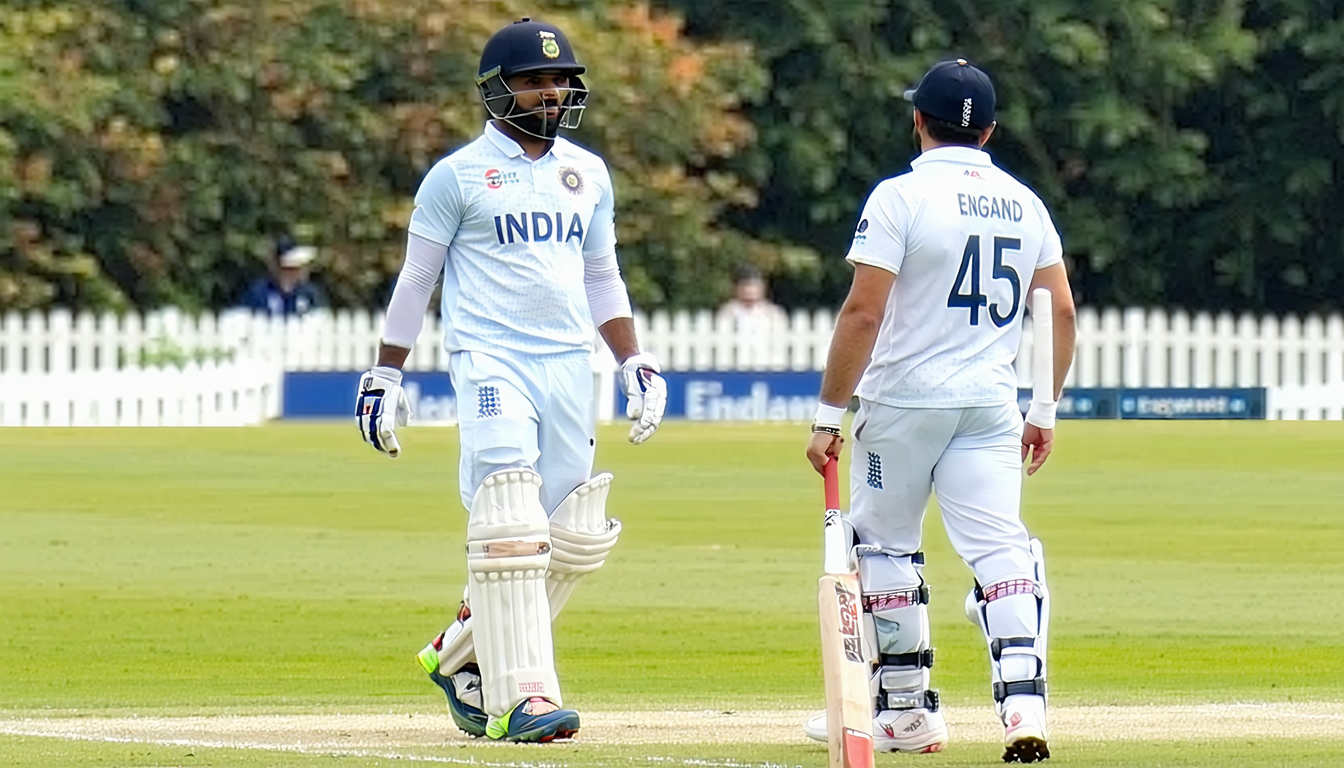

The India national cricket team facing off against England always guarantees drama. Whether it’s the rapid-fire pace of T20s or the endurance test of Tests, each match brings a story. From explosive chases to tight defenses, the latest series has added yet another chapter to this rivalry. Let’s break down the recent scorecards— infusing insights, slight human quibbles, and narrative twists— to understand how these clashes unfolded and what they reveal about both teams.
Recent Match Highlights: Key Scorecards and Moments
4th T20I in Pune: India Secures Series with Sharpshooting Batting
India put together a lively 181 for 9 in 20 overs, riding on half-centuries by Hardik Pandya and Shivam Dube. Both blasted rapid-fire innings—53 off just about 30 balls each—offering glimpses of their power-hitting prowess. England’s response sputtered: defending 166 all out in 19.4 overs, succumbing to tight death bowling and key breakthroughs in late overs. Harshit Rana’s three-wicket spell proved decisive, earning India the 3–1 series win. (skysports.com)
1st ODI in Nagpur: Shubman Gill Leads with Composure
In the opening one-dayer, England posted 248. India responded gracefully with 251 for 6 in just 38.4 overs—sealing a four-wicket win. Shubman Gill starred, anchoring the chase with a controlled 87 before departing. His knock, paired with contributions from Iyer and later Axar and Jadeja, wrapped up a smooth chase. (espn.com)
Analyzing Performance: Patterns and Turning Points
Batting Mastery and Match Momentum
India’s recent scores highlight a blend of power and poise. In T20s, explosive hitters like Pandya and Dube can shift momentum in mere overs. Conversely, in ODIs, orchestrated chases with defined partnerships—Gill and Iyer the latest examples—demonstrate how mastery of rhythm and pacing wins matches.
“Runs scored under pressure often tell more than the total—Gill’s 87 wasn’t flashy, but it was measured, and that steadiness is a weapon in white-ball games.”
Bowling Shifts and Timely Strikes
T20 contests hinged on middle and death overs; Harshit Rana’s late breaks unsettled England’s chase. In contrast, the ODI saw spinners like Jadeja and all-round support from Axar and others halt England in the final stretches. It underscores how flexibility—having both pace and spin options—can tilt formats differently.
Momentum in Formats: Why Context Matters
England’s vulnerabilities rose in T20s when tight death bowling squeezed their chase. ODIs, with broader playing time, exposed their weaknesses in depth—India eased the pressure with slower, methodical building of totals. Each format exposed different fissures, yet India adapts more smoothly across both.
Broader Narrative Flow: Momentum, Strategy, and Experience
Managing Pressure Across Formats
India’s ability to adapt—from power-hitting in T20s to steady chases in ODIs—shows experience with situational cricket. Whether mounting a rapid assault or crafting patient innings, India reads the game well. On the flip side, England’s fluctuating middle overs, especially in chases, point to areas needing mental toughness and computation.
Strategy, Squad Depth, and Field Placement
Things like using a concussion substitute (Harshit Rana) effectively highlight India’s bench strength and tactical readiness. England, while boasting committed starters, might require sharper field shifts and plans when streaks stall or synergy drifts in pressure games.
What Fans and Strategists Might Be Asking
- Is Shubman Gill emerging as a defining white-ball bat? His composed chase suggests yes.
- Does India have a deeper bench that edges out England, especially mid-game? The use of substitutes and role players like Rana and Axar shows yes.
- Can England tighten their death-game tactics? They must, if they’re to challenge India consistently.
Conclusion: Summary and Forward Look
These recent encounters between India and England illustrate a shift: India’s versatility and depth shine through, whether in T20’s frenetic sprints or ODIs’ strategic walks. England, while resilient, still needs to tighten execution under pressure—catching slipping partnerships, death overs, and format-specific dynamics. As the rivalry continues, expect India to lean on its adaptable batting core and multi-dimensional bowling, while England works on consistency and sharper situational awareness.
The scoreboard isn’t just numbers—it’s momentum, strategy, and composure telling us who’s in command of the narrative.




Leave a comment