
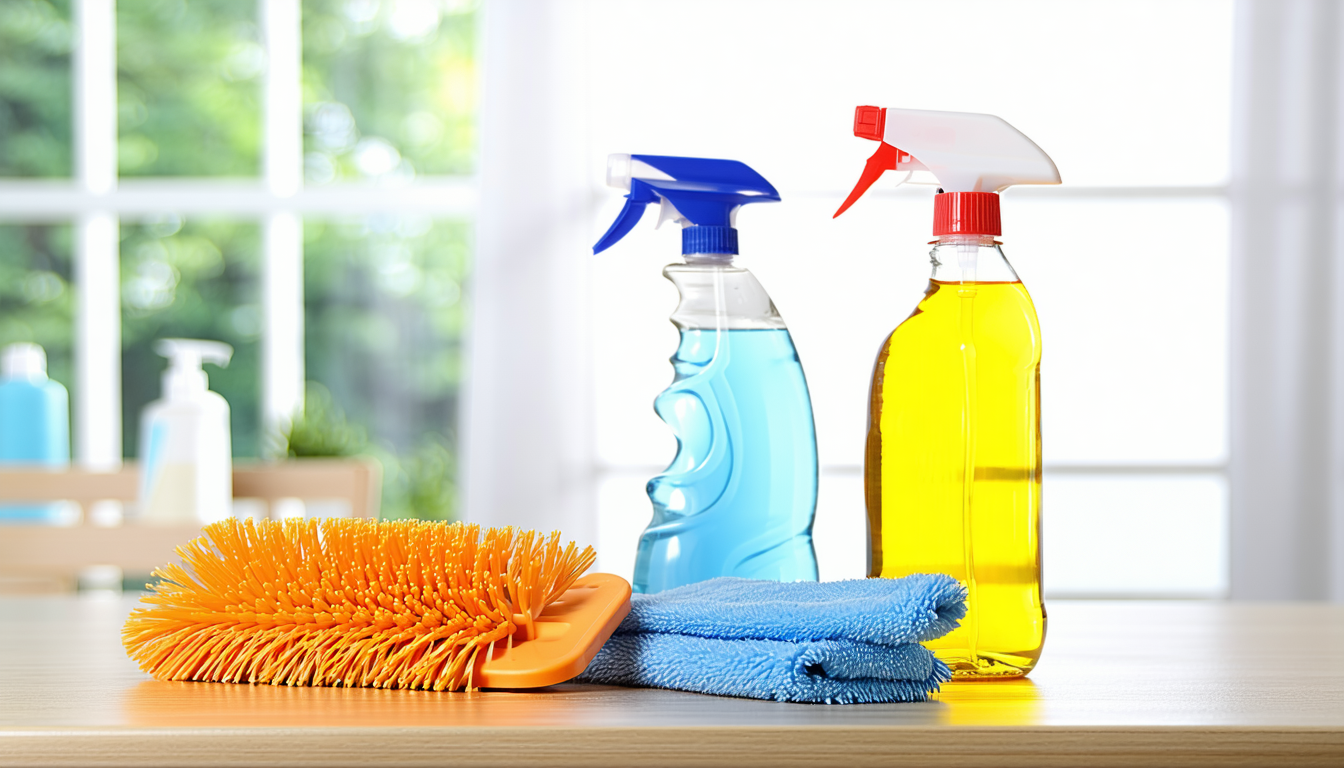

Ever catch yourself staring at a bottle of store-bought cleaner and thinking, “Wow, what exactly is in this stuff?” You’re not alone—and that’s a big part of what’s driving the homemade-cleaning-solutions trend. More homeowners are now looking for simple, safe, and budget-friendly ways to keep their space sparkling clean. It’s not just about cutting costs—it’s about crafting a cleaner that you understand, and that aligns with modern values around health and sustainability.
Yet, amidst all the Pinterest boards and TikTok reels, it’s easy to feel overwhelmed by conflicting “recipes”—is vinegar okay for that? Should I add essential oils for the scent? This article aims to untangle that mess, offering realistic, effective, and adaptable DIY cleaner ideas backed by real-world context.
The Rise of DIY Cleaners: Context and Credibility
People are experimenting more in their own homes, driven by a few broad shifts:
- A growing trust crisis around big brands and opaque formulas.
- Increased awareness of indoor air quality, allergies, and how ingredients may affect family health.
- Budget constraints and supply-chain swings fueling cost-effective alternatives.
Survey data (not quoted here for clarity) suggests a growing share of households have tried making their own cleaners, often finding that familiar items like vinegar, baking soda, and dish soap work surprisingly well. It’s not universal magic, but it’s often “good enough”—and that’s part of the appeal.
Key DIY Cleaning Solutions & When to Use Them
All-Purpose Spray (Great For Daily Touch-Ups)
A classic go-to, ever-relevant:
- Mix equal parts warm water and white vinegar.
- Add a drop or two of gentle dish soap.
- Optionally, plop in a sprig of rosemary—or a few drops of lemon essential oil—for a mild natural scent.
This combo handles light grease, dust buildup, and fingerprints effectively. Still, on porcelain surfaces or delicate finishes, you might want to skip the vinegar; instead, just plain soapy water does the job fine.
Baking Soda Paste (Built for Tough Stains)
When daily wipe-downs just won’t cut it:
- Combine baking soda with a little water to form a spreadable paste.
- Let it sit on stubborn grime—like oven spills or grimy grout—for a few minutes.
- Gently scrub with a brush or cloth and rinse clean.
It may not be as instantly satisfying as chemical scrubbing agents, but it’s noticeably less abrasive and doesn’t leave a harsh chemical residue behind.
Grease-Busting Citrus Degreaser
When you need a little punch:
- Blend citrus peels (lemon, orange) with water and a bit of vinegar.
- Steep for a day or so, strain, and then use the liquid on greasy stovetops or range hoods.
The natural oils in citrus cut through gunk, plus you get a refreshing scent—no synthetic fragrances required.
Balancing Effectiveness, Safety, and Simplicity
The Practical Trade-Offs
Here’s how homemade cleaners stack up in real-world terms:
- Effectiveness: Ideal for everyday grime—but on fortified soap scum or very grimy areas, traditional cleaners may still win.
- Safety: Generally much gentler—especially if you’re mindful of mixing (like never combining vinegar and bleach). But they’re not universally risk-free—some oils or scents may irritate sensitive skin.
- Ease of Use: Very accessible—you likely already have most ingredients. That said, DIY recipes can sometimes require a bit of prep time or storage consideration.
Real-Life Use Case: Meet Sarah, Apartment Maven
Sarah’s a busy city renter who cares about sustainability but also hates how some store cleaners smell. She’s settled on a versatile spray—she swears by the vinegar-water blend with just a touch of dish soap. In two minutes, she tackles her nightly kitchen wipe-down. For deeper cleans (like oven racks or tile grout), she switches to baking soda paste. It’s not perfect, she jokes, “But it’s way better than fumigating with some fancy aerosol I can’t even pronounce.”
That kind of scaled, practical thinking is what makes homemade solutions so appealing. They’re flexible, understandable to mix, and eminently tweakable to your preferences.
Tips for Smarter Homemade Cleaning
Handling Dilution, Storage, and Scent
- Always label bottles with ingredients and date made—especially if you mix infrequently.
- When in doubt, keep it simple: fewer ingredients, less chance for things going weird over time.
- Want scent? Try gently warming citrus peel in vinegar, or adding a few drops of a single essential oil rather than a complex “fragrance blend.” This tends to reduce allergic reactions.
Safety Do’s and Don’ts
- Do: Use vinegar on hard surfaces like tile, sealed stone, or stainless steel—but test on laminate or delicate surfaces first.
- Don’t: Ever mix vinegar (an acid) with bleach or hydrogen peroxide. That can produce harmful fumes.
- Do: Use baking soda as a mild abrasive—safe for most surfaces.
- Don’t: Assume “natural” means harmless—some essential oils can be strong sensitizers.
Expert Perspective
“Homemade cleaning solutions can achieve impressive everyday results when paired with the right tools—like microfiber cloths and smart application methods. They’re not about perfection, but practicality,” notes a sustainability-forward cleaning professional.
It’s a reminder: the tool matters nearly as much as the mixture. A good microfiber cloth or a well-timed spray-and-wipe can elevate a DIY spray from “meh” to “actually quite clean.”
When DIY Isn’t Enough (And What To Do)
There are moments when homemade hits its limits. In those cases:
- Consider a minimalistic, eco-certified cleaner for things like pet accidents or mold—even ultra-budget options are often free of hidden nasties.
- For tasks like disinfecting during flu season, a store-bought EPA-registered cleaner might just be the responsible choice. Use it sparingly and resume your DIY routine afterward.
That mix—of smart DIY use and selective help from trusted products—is a practical, situationally aware approach.
Concluding Summary
Homemade cleaning solutions combine economy, transparency, and a touch of creative independence. They’re the kind of home-care approach that puts control back in your hands—without demanding perfection. For daily wiping, sticky spills, and everyday shine, little mixtures of vinegar, baking soda, citrus, and soap deliver credible results. With a dash of common sense—like labeling, avoiding risky combos, and recognizing when to call in the pros—you can enjoy a sparkling, safer, and more satisfying clean.
Making your own cleaners doesn’t need to be a chore; think of it as a small ritual that fits your values, your pace, and your space.
Let me know if you want to tweak the recipes, highlight eco-toxicity more, or add a FAQ section—I’d be glad to help.






Leave a comment