
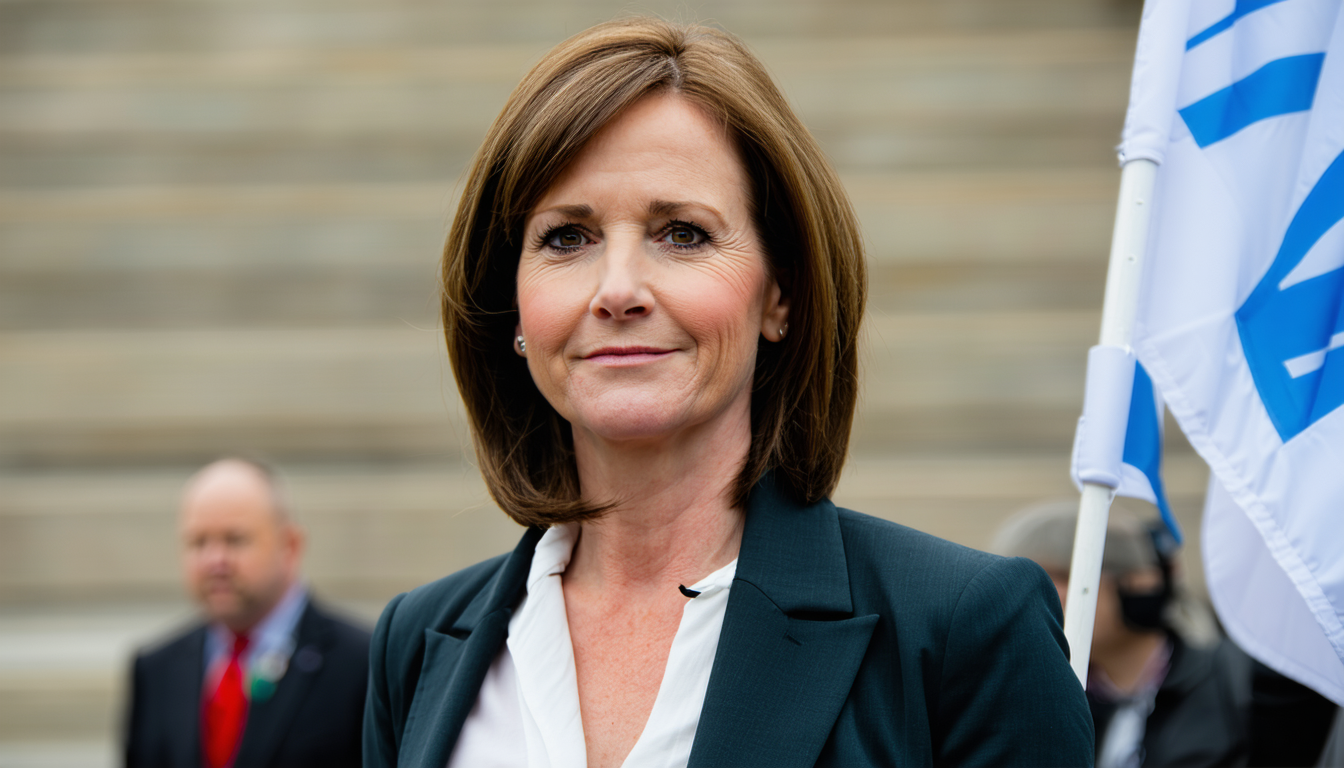

The Karen Read trial, a legal drama layered with conflicting narratives, forensic controversy, and a fervent public following, has finally reached its resolution. After three years of litigation and intense courtroom scrutiny, Read was acquitted of all major charges, though convicted for operating under the influence. Yet beneath the verdict lies far more than just legal outcome—this case reveals how evidence, public perception, and procedural missteps can converge into a courtroom spectacle.
1. Case Background and Legal Journey
Karen Read was arrested in early 2022 following the death of her boyfriend, Boston police officer John O’Keefe, discovered in the snow outside a private residence. Prosecutors alleged Read backed into him with her SUV after a night of drinking. The indictment evolved to include second-degree murder, vehicular manslaughter while intoxicated, and leaving the scene of a fatal collision (en.wikipedia.org).
The first trial, held in mid-2024, ended in a mistrial after the jury hung—with jurors later recalling they’d largely agreed she was not guilty, but were confused about the verdict form (people.com). Following that, Read’s legal team pushed appeals arguing double jeopardy, but courts ultimately allowed a retrial to proceed (apnews.com).
2. Pretrial Skirmishes and Courtroom Dynamics
Denied Delays and Judicial Admonitions
Read’s defense persistently sought delays and motions to dismiss. Judge Beverly Cannone denied the request to postpone, citing jury logistics, and maintained the trial’s April 2025 start date (cbsnews.com). Additionally, the judge criticized Read’s attorneys for misleading the court over expert witness affiliations, admonishing them for “repeated misrepresentations” (alabnews.com).
Investigative Misconduct Allegations
Central to Read’s defense was trooper Michael Proctor’s conduct. His sexist, inflammatory text messages about Read—calling her a “whack job c*nt” and sharing investigative details improperly—were admitted into evidence, painting a picture of bias within the original investigation (amp.cnn.com). The probe gained further scrutiny but the federal investigation into the matter was officially closed before the retrial began (nypost.com).
Health-Related Delays
The trial was briefly paused in mid-May 2025 due to Read’s unspecified health issue, which may have stemmed from her battle with chronic illnesses. This moment humanized the defendant amid the legal frenzy (wcvb.com).
3. Trial Highlights and Key Evidence
Toxicology and Reconstruction Tests
In court, toxicologists testified that Read’s blood alcohol level was at or above legal limits at the time of the incident, possibly peaking significantly higher the night before (en.wikipedia.org). Meanwhile, forensic reconstruction expert Dr. Judson Welcher demonstrated that damage patterns on O’Keefe’s injuries matched contact with the taillight area of Read’s SUV—using paint-transfer tests and vehicle replication (en.wikipedia.org).
Contradictory Narratives and Vehicle Tampering Claims
The trial was rife with competing theories. The prosecution pushed its version of a drunk-driving accident; the defense countered with a story of a fatal altercation inside the house and intentional police misdirection. Trooper Proctor’s questionable testimony and the SUV taillight condition testimony by Sgt. Nicholas Barros — who disputed later photos showing damage — added to the confusion (foxnews.com).
“The divergence in our views are not rooted in a lack of understanding or effort but deeply held convictions,” wrote jurors at the mistrial—highlighting how deeply divided perceptions of the same evidence can be. (opb.org)
4. Verdict and Aftermath
The Final Verdict
On June 18, 2025, after deliberations, the jury acquitted Read of second-degree murder, manslaughter while intoxicated, motor vehicle homicide, and leaving the scene. However, she was convicted of operating under the influence—resulting in one year probation, driver’s license suspension, and participation in an impaired driving program (people.com).
Broader Implications
The verdict closed one chapter but raised several questions. Read’s supporters hailed it as vindication against a malicious cover-up, while critics viewed the acquittal as a failure of accountability. The prosecutor’s indictment that the outcome represented “a devastating miscarriage of justice” echoed the polarized response (washingtonpost.com).
5. Conclusion: Reflections on a Polarizing Legal Saga
The Karen Read trial underscores the messy interplay between evidence, public narrative, and courtroom procedure. It shows how strong competing narratives and procedural missteps—from vague verdict forms to misbehavior by investigators—can influence outcomes as much as forensic data. Legal teams must remain vigilant: clarity in jury instructions, ethical investigation, and sound expert testimony are essential. Ultimately, while the verdict leaned toward Read, the case will remain a case study in both legal strategy and the court of public opinion.
FAQ
What charges did Karen Read face and what was the outcome?
Read faced second-degree murder, vehicular manslaughter while intoxicated, and leaving the scene of a fatal collision. She was acquitted of all but convicted of operating under the influence (OUI), receiving probation and other standard penalties.
Why was the first trial declared a mistrial?
Jurors were deeply divided and unclear on how to register partial verdicts. Many later said they agreed on not guilty for key charges but were confounded by the verdict form’s structure.
What was the significance of trooper Michael Proctor’s text messages?
Proctor’s offensive and biased messages corroborated the defense’s claims of investigative misconduct and contributed to undermining the prosecution’s case in the eyes of the jury.
Was there a federal investigation?
Yes, but it concluded with no charges before the retrial began. Federal prosecutor Hank Brennan confirmed the matter was closed, and no further action was taken.
The Karen Read trial ultimately became more than a murder case—it evolved into a narrative battleground spanning legal nuance, media scrutiny, and public emotion.






Leave a comment