
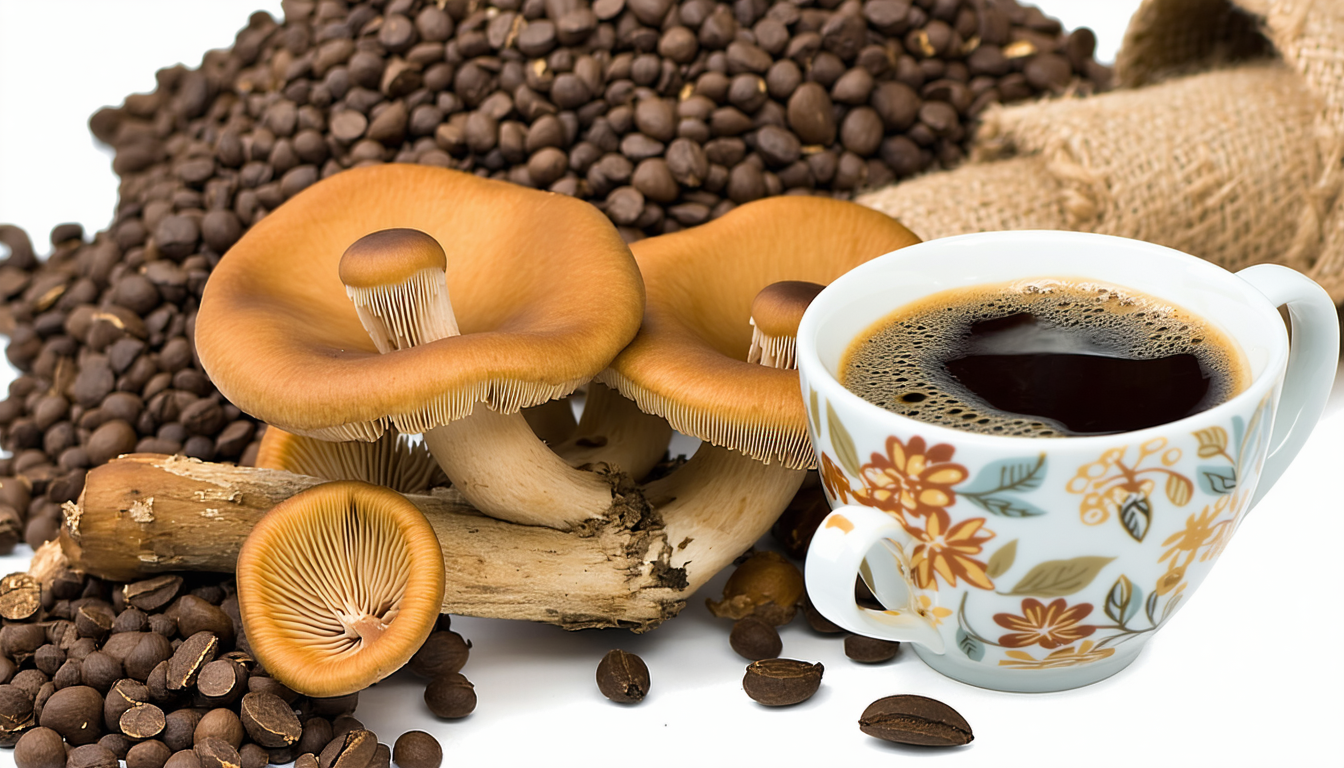

Ryze Mushroom Coffee has quickly become a talk-of-the-town brand, promising a twist on your daily cup. It’s marketed as a functional beverage blending coffee with a mix of medicinal mushrooms—Lion’s Mane, Cordyceps, Reishi, Turkey Tail, Shiitake, and King Trumpet—touted to support energy, focus, gut health, and more. While it’s gaining mainstream traction, notably with its rollout in over 1,900 Target stores in January 2026, the truth behind the hype is more nuanced.(forbes.com)
Let’s walk through the data, expert insights, and real-world chatter—it’s not always pretty, but it’s honest.
The Brand Trajectory: Growth Meets Scrutiny
Rapid Growth and Retail Validation
Ryze, founded in 2020 by CEO Rashad Hossain and CMO Andrée Werner, soared from around $18 million in revenue in 2022 to over $300 million by 2025—an impressive double-digit growth trajectory.(forbes.com) The brand’s upcoming launch in Target stores marks its first major bricks-and-mortar presence, signaling mainstream acceptance of what many call the “functional mushroom coffee” trend.(forbes.com)
Yet Forbes cautions that despite its soaring revenue, the company’s profitability is shallow—about 3% EBITDA margin—and it suffers from high subscription churn and marketing-heavy strategies.(forbes.com)
“This is giving us the validation that everything we’ve built over the past five years really has legs to be a true coffee disruptor,” Hossain says—tempering ambition with realism.(forbes.com)
Industry Context: Trend or Bubble?
Ryze is part of a broader mushroom coffee wave alongside brands like Mud\Wtr, Everyday Dose, Four Sigmatic, and Om—together commanding around $1 billion in annual sales in the functional beverage space.(forbes.com) Interest in functional drinks is on the rise, with the overall market hitting $50 billion in sales in 2025 and projected to grow further.(forbes.com)
Still, experts stress that consumer excitement is outpacing the science. There’s limited rigorous evidence to back claims about cognitive effects, immune support, or gut health. Bulk of the studies cited are on isolated mushroom supplements—not mixed blends like Ryze.(health.com)
Ingredients, Benefits, and Scientific Unpacking
What’s In The Cup?
Ryze’s proprietary blend packs six mushrooms into a 2,000 mg total dose—but exact quantities per mushroom remain undisclosed.(garagegymreviews.com) Nutritionally, versions differ: the “Bright & Smooth” blend offers 48 mg of caffeine per serving—roughly half a regular coffee—while the “Rich & Robust” blend delivers about 90 mg.(parade.com) Some formulations add prebiotic fiber—about 2 grams per serving—and remain free of dairy, gluten, and added sugars.(parade.com)
Claimed Benefits vs. Scientific Reality
The brand touts energy, focus, gut health, immunity, and stress relief. But empirical evidence is thin:
- Studies on Lion’s Mane (1.8 g daily) suggest stress reduction and cognitive benefits—but these are from isolated supplement trials, not coffee blends.(health.com)
- Some in vitro work suggests mushrooms like Cordyceps and Chaga are rich in antioxidants and beta-glucans, yet translating that into meaningful health outcomes through a blended drink remains speculative.(health.com)
Why the gap? Most mushroom coffees use proprietary mixes without dosage transparency, making it tough to validate any health claims.(health.com)
Expert Warnings and Comparisons
Consumer advocates and nutrition experts often caution that:
- The real benefits may come from added vitamins or antioxidants—not the mushroom content.(theguardian.com)
- Mushroom coffees tend to be much more expensive than regular options—with uncertain ROI.(health.com)
From a dietitian’s perspective, Ryze shines in transparency compared to competitors and scores well on taste and price when considering its convenience. Still, solubility and ingredient opacity are notable drawbacks.(garagegymreviews.com)
Real-World Feedback: The Reddit Raw Scoop
Ryze fans are vocal—but so are the critics.
Subscription Red Flags
A recurring theme: customers report being unknowingly enrolled in subscriptions, with cancellation becoming a labyrinth. Many had to dispute charges via banks or block cards to stop recurring billing.(reddit.com)
Health Complaints and Safety Concerns
Numerous users posted health issues—stomach upset, bloating, elevated liver enzymes, or even more severe reactions. One Redditor noted being advised to stop usage by a doctor following abnormal lab results.(reddit.com) Some mentioned potential lead contamination flagged in California.(reddit.com)
Mixed Results on Benefits
While a few users shared positive stories—like relief from gastric reflux or improved energy—these were often outnumbered by complaints about taste (commonly described as earthy or unpleasant) and negligible benefits.(reddit.com)
Summary and Strategic Takeaways
Ryze Mushroom Coffee is a fascinating case: a runaway growth story grounded in consumer curiosity for functional beverages, yet shadowed by skepticism and operational missteps.
What stands out:
- Brand strength is undeniable—with a $300M+ revenue trajectory and retail shelf validation.
- Health claims are loosely backed; scientific support remains limited and indirect.
- Ingredient opacity and subscription frustration erode trust, while anecdotal adverse reactions amplify caution.
Strategic Recommendation
For marketers and wellness professionals, Ryze underscores the importance of balancing innovation with transparency and ethical customer experience. Verify claims, disclose ingredient specifics, offer clear subscription terms, and prioritize user safety. That mix—not hype—is the sustainable path forward in the wellness space.
Conclusion
Ryze Mushroom Coffee blends real momentum with real-world complexity. It’s capturing attention—and sales—but also spurring scrutiny around its marketing, health claims, and customer experience. Whether it stands the test of time or fades as another trend remains to be seen. But the lesson is clear: in functional beverages, credibility and care must match charisma.
Let the conversation continue—mindfully.




Leave a comment