

)
Introduction: Why Learning to Change Oil Matters
Changing your car’s oil may sound intimidating if you’ve never done it before—but it’s a cornerstone of basic vehicle care that saves you money, protects your engine, and gives a sense of real hands‑on accomplishment. Many people think only mechanics should touch the underside of a car, but in reality, it’s a manageable job with just a bit of guidance, the right tools, and some patience. This guide walks you through the process with relatable examples (including the time I almost mixed up the oil cap!), weaving in practical tips, conceptual insight, and just enough human imperfection to keep things approachable.
Getting Prepared: Tools, Materials, and Safety First
Before diving under the hood, there’s a quick checklist every beginner should run through:
- Appropriate motor oil (check your owner’s manual for grade and capacity).
- New oil filter and wrench.
- Oil pan, funnel, gloves, and rags or newspaper.
- Basic socket set or wrench for the drain plug.
- Jack and jack stands (if needed for clearance).
In practice, chatting with a friend who’s done it before (and nearly dropped the oil pan, by the way) can teach you things no manual can. Keep your workspace well‑ventilated and level, wear old clothes, and always double‑check the wrench size to avoid rounding off the drain plug.
Step‑by‑Step Process to Change Oil Smoothly
1. Warm Up the Engine Slightly
Gently rev up the engine for a minute or drive around the block. Warm oil flows out easier, but don’t go too hot—it burns. On one occasion, a friend had the car purring like a kitten… and the oil was near molten lava. A few seconds makes a difference.
2. Secure and Position the Vehicle
If needed, lift the car using a jack and securely park it on jack stands. Always use wheel chocks or emergency brakes for safety. It’s like building a mini ramp—stable is key.
3. Drain the Old Oil
Place the pan underneath the drain plug, unscrew (turn counter‑clockwise), and let the oil flow freely. Be patient—rushing this step can lead to mess, and yes, been there, wiped oil off my hands for what felt like forever.
4. Replace the Oil Filter
Swing under the hood (after draining is done), use the filter wrench to remove the old filter, gently light‑coat the new one’s rubber seal with a bit of oil, then screw it in by hand—about three‑quarters of a turn—until snug. No need to Hulk‑tighten it.
5. Reinstall Drain Plug, Add New Oil
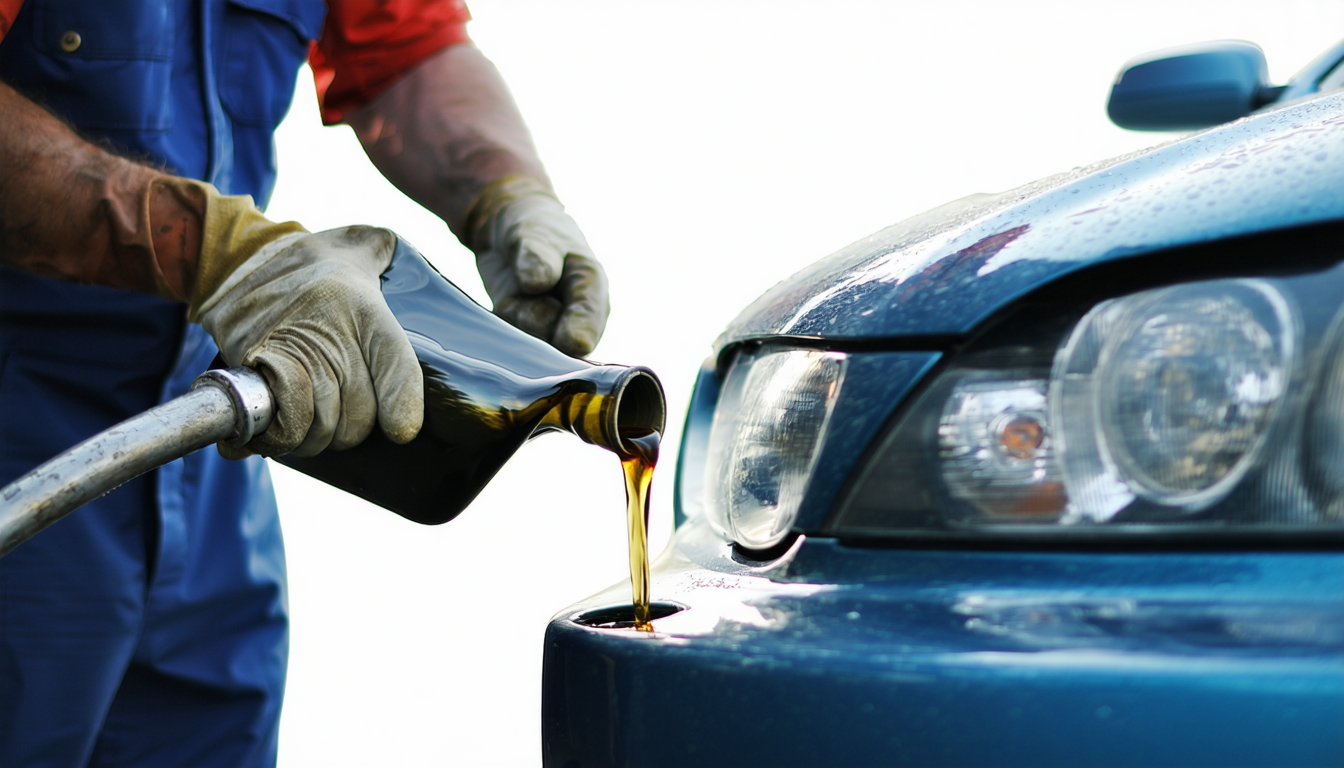
Secure the drain plug—hand‑tighten then a slight nudge with the wrench; avoid overtightening. Next, pour in fresh oil via a funnel, checking the manual for correct amount. Double‑check it’s the right grade—my neighbor once dumped in synthetic when his car needed conventional—dearly learned that lesson later.
6. Check for Leaks and Top‑Off
Run the engine for a minute, check under the car and around the filter for leaks, then turn off and wait a few minutes. Pull the dipstick, wipe, dip again, and read the level. Top off gradually—avoid overfill.
Common Mistakes and How to Avoid Them
Misreading Oil Grade or Capacity
Always refer to your car’s manual or manufacturer’s guidelines. Guesswork often skews results; I once over‑filled by a bit, and the check‑engine light responded in kind.
Over‑tightening Filter or Plug
Over‑tightening can strip threads or crush seals. That dreaded “almost‑ruined” feeling registers highly on the rookie scorecard.
Neglecting Environmentally Safe Disposal
Used oil needs proper recycling. Pouring it down the drain is a no‑go—check local auto‑parts stores or service centers; many take used oil.
Why This Step Matters: Engine Longevity Explained
Changing oil isn’t just routine; it’s fundamental to engine health. Oil lubricates, cleans debris, cools critical components, and forms a protective barrier. Old oil becomes sludgy and less effective. Regular change intervals—typically every few thousand miles or according to manual—help avoid wear and tear. Many long‑term vehicle owners swear it’s the single most cost‑effective maintenance you can do—aside from using the right oil grade, of course.
Expert Insight on DIY Oil Changes
“Regular oil changes every recommended interval extend engine life significantly, and doing it yourself enhances both awareness and control over vehicle maintenance.”
This tells you something: learning the process not only keeps your car healthy, but connects you more deeply with how it operates.
Real‑World Example: Tina’s Weekend Oil Change
Last month, my friend Tina—absolutely new to cars—decided to change oil herself. Armed with the manual and a well‑organized station (I helped her clear old newspapers and spills), she got it done in about 45 minutes. She mis‑tightened the filter at first (we had to correct that), but came away with a sense of pride—and avoided a shop bill that would’ve easily been double the cost of materials. It’s exactly this teller‑knower duality—a bit of misstep turned into learning, and real confidence gained.
Summary of Steps: Beginner Checklist
- Warm engine briefly
- Secure vehicle and prepare workspace
- Drain old oil with care
- Replace oil filter properly
- Reinstall plug and add new oil
- Check for leaks and confirm oil level
- Dispose of used oil responsibly
Conclusion & Next Steps
Changing your own oil is a skill that fosters self‑reliance and saves money in the long run. By gathering the right tools, following the steps above, and staying mindful of the small pitfalls, beginners can master this task with confidence. Beyond the practical benefits, there’s real satisfaction in hearing your engine purr on fresh oil, knowing you did that. Next step? Keep a log—date and mileage—so your next oil change is that much easier, and so you build a pattern of maintenance that can take your car’s life from good to many more thousands of miles ahead.
FAQ
How often should I change my oil?
Most cars recommend every few thousand miles or following the manufacturer’s schedule—more frequent if you drive in stop‑and‑go city traffic, carry loads, or tow.
Can I change my oil in rainy or cold weather?
Yes—just ensure your work area stays dry, and oil doesn’t get too cold to flow. Bring the car indoors if possible, or wear gloves and use a low‑temperature funnel.
What happens if I slightly overfill the oil?
Minor overfill may trigger a slight pressure increase or light leak, but modest levels typically correct themselves. Still, better to top gradually and check with the dipstick after a few minutes.






Leave a comment