
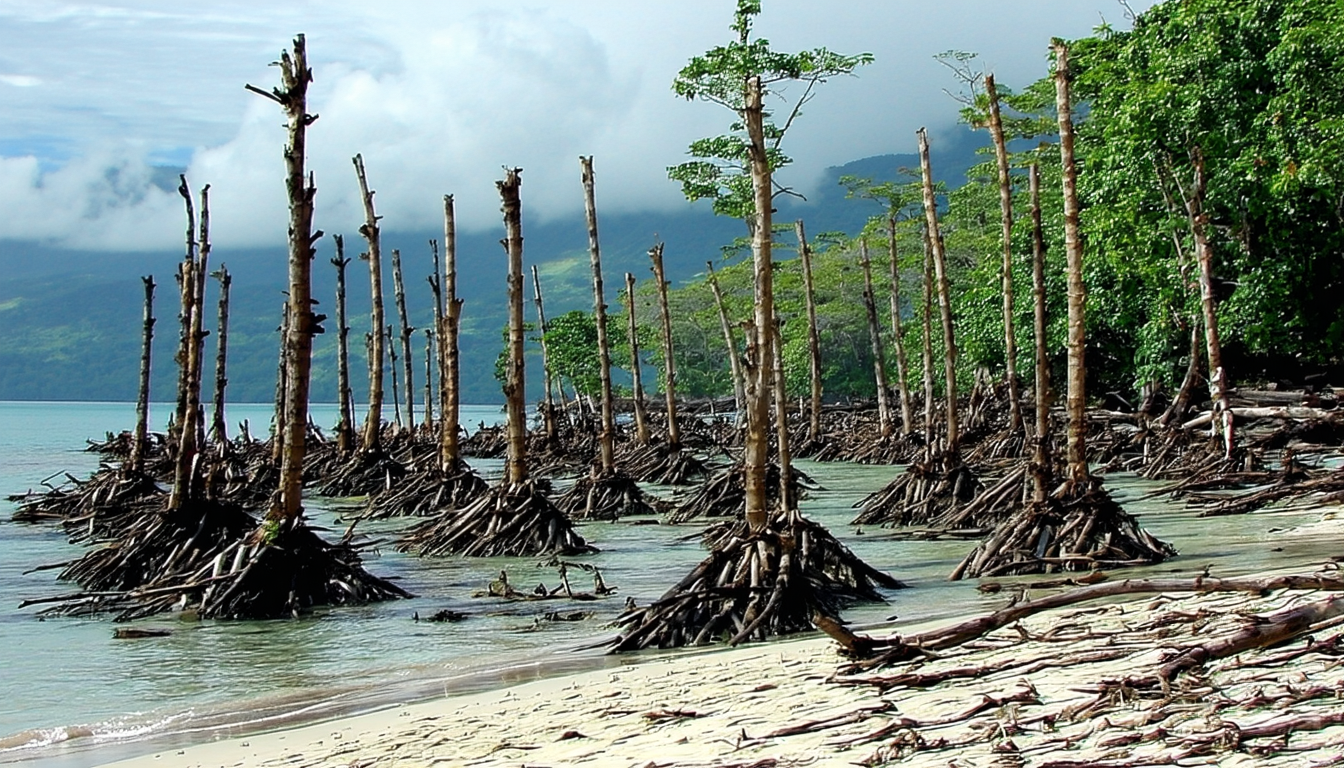

Introduction: A Remote Secret with Global Fascination
There’s something deeply magnetic about the unknown, and North Sentinel Island, tucked away in the Andaman Sea, has captured global curiosity like few places can. A place where time seems frozen, laws of the modern world are defiantly irrelevant, and mystery is woven into the very air. Let’s take a journey—not to deliver perfect, polished facts—but through the fog of history, cultural isolation, and conflicting allure that’s as much part of the story as the island itself.
Ominous Legend and Protective Isolation
Sentinel has long been enveloped in an aura of danger and intrigue. Visitors—by design or fate—were met with arrows, warning that the island is no place for outsiders. Over decades, governments have wrestled with how to deal ethically and pragmatically with this isolation, ultimately granting the Sentinelese de facto autonomy.
Why Isolation Sticks
- Cultural preservation: Sentinel is one of the few remaining places where a tribal society has lived untouched by modern contact.
- Public safety: Attempts to contact the islanders have tragically resulted in injury or death—one government worker’s demise in the 1970s illustrated the peril vividly.
- Legal policy: India has officially declared the island off-limits, creating a protective buffer zone. Beyond respecting sovereignty, it’s also the safest choice for all involved.
Even without protective legislation, the Sentinelese resistance—arrows blazing—would likely be deterrent enough. In practice, this forced them into a rare niche of isolation, shielding their way of life but also shrouding them in mystery.
A Glimpse Through History’s Key Moments
External Contacts That Reverberated
Around the mid-19th century, colonial explorers reported meeting Sentinel Islanders who seemed intrigued—and wary—of the world beyond their shores. Fast forward to the 1970s: an anthropological mission aimed at friendly contact ended in tragedy. More recently, satellite images and a tragic incident in 2018 involving an outsider have served as grim reminders that physical distance isn’t the only barrier.
Fragmentary Insights from Afar
- Anthropological glimpses: Few and far between, these brief visits taught outsiders about fishing methods, tool-making, and communal living—but never enough to grasp the whole culture.
- Aerial observation: Modern-day glimpses come mostly from above, adding tiny fragments to the picture—tiny houses, small groups, modest fires.
This distance keeps more than the islanders protected—it keeps our understanding partial. It’s a cultural silhouette, barely sketched.
Cultural Significance: Isolation as Heritage
A Living Legacy Untouched
North Sentinel isn’t just an island. It’s a living, breathing repository of ancient human culture. Broadly speaking, the isolation of the Sentinelese isn’t a sad relic—it’s a vibrant expression of humanity’s varied paths.
Beyond academic curiosity, their existence raises big questions: how much of modern life did we gain, and what did we lose? Survival strategies, social bonds, economies of sharing—sentinelese society offers an alternate lens through which to consider our own trajectory.
Ethical and Legal Dimensions of Non-Contact
The Case for Respecting Boundaries
When it comes to Sentinel, there isn’t just one cause—or one side. Rather, it’s a tangle of ethics, law, and safety where the consensus leans heavily toward non-interference. Think of it: government decrees, moral weight, and cold pragmatism all converge to tell us: leave them be.
“In the case of North Sentinel, the most respectful and responsible action is abstaining from contact.”
Beyond that, there’s a messy web of issues: disease exposure, cultural erosion, legal ownership. In a flash, outside contact could obliterate everything the Sentinelese have maintained for millennia.
Broader Lessons from a Tiny Island
North Sentinel becomes more than a curiosity—it’s a symbol and a warning. It raises essential questions about conservation, sovereignty, and what it means to be “untouched.” In an age that values connectivity, sentinel’s extreme contrast reminds us that sometimes isolation is a choice—and perhaps a powerful one at that.
Contemporary Reflections and Global Curiosity
Media Portrayal and Mythmaking
You’d think the island is mythic—and in many ways, it is. Movies and sensational headlines often exaggerate its danger, turning isolation into something more ominous than it is. Yes, arrows fly. But the islanders are human, not monsters. The stories often mix legitimate caution with romanticized fear, and that can obscure real understanding.
Why the World Still Watches
From academic debates on cultural autonomy to viral social media posts speculating wildly about the islanders’ lives, sentinel fascination endures. We aren’t just curious—we’re haunted by what we can’t touch, can’t see—and can’t fully know. It’s both a fear of the unknown and an admiration for cultural resilience.
A Human Tale of a Mysterious Land
Imagine, if you will, a small fishing village where time is marked by tides and seasons, not screens. Families passing knowledge hand to hand, not uploaded. A community existing “off-grid,” absolutely self-sufficient, ambivalent toward the world beyond. That’s North Sentinel—and while we’ll never walk its beaches, thinking about it grounds us.
Conclusion: Reflection on Isolation, Curiosity, and Respect
North Sentinel Island stands as both a mirror and a window—a mirror reflecting our ceaseless curiosity and a window into what sustained cultural isolation might look like. It’s a place of paradox: less known yet deeply known, dangerous yet sacred.
Respecting its mystery isn’t just the legal course—it’s the ethical one. North Sentinel teaches us that the truest understanding sometimes comes from stepping back, not leaning forward. And in respecting that distance, we honor something rare and profoundly human.






Leave a comment