
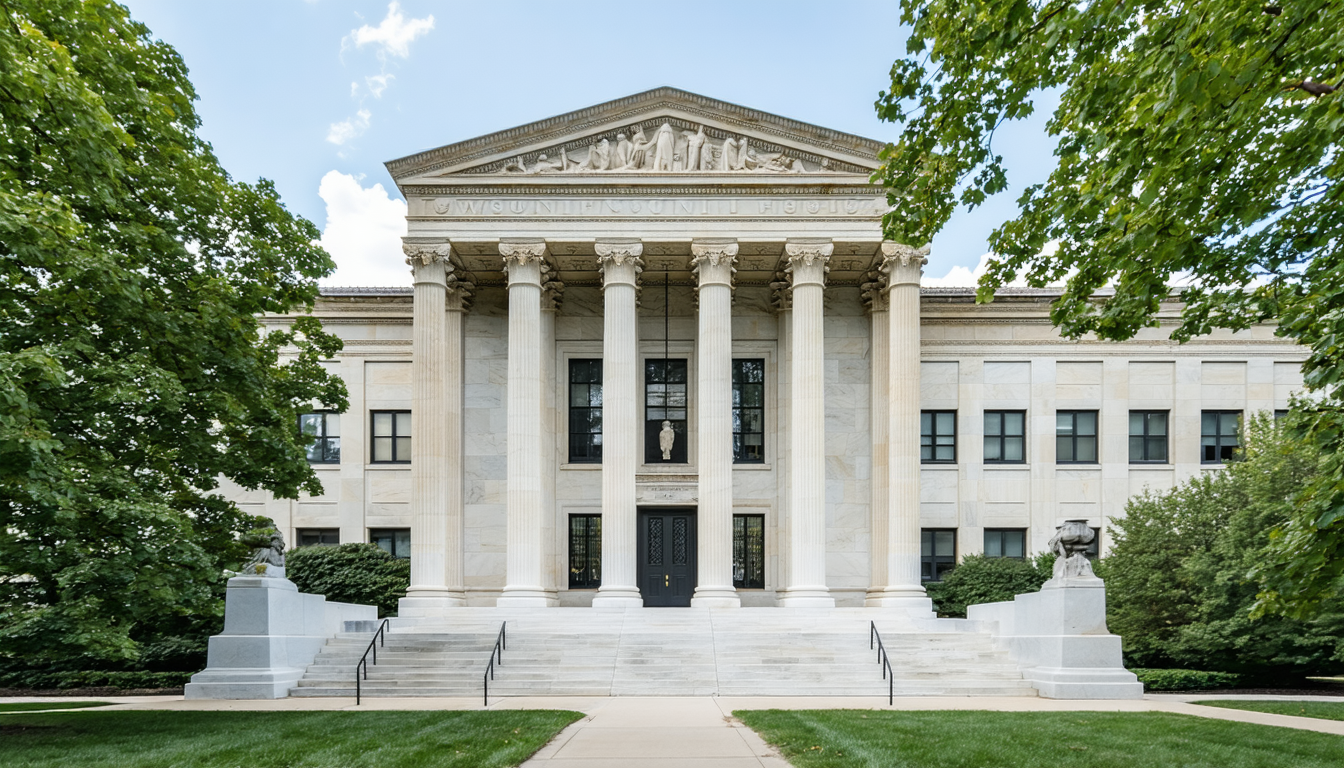

An important judicial contest is unfolding in Wisconsin. On April 7, 2026, voters will choose between two Court of Appeals judges—Maria Lazar (widely seen as conservative) and Chris Taylor (liberal)—to fill the open seat left by retiring Justice Rebecca Bradley (en.wikipedia.org). Because there are only two candidates, Wisconsin will not hold a primary, unlike in years with more entrants (en.wikipedia.org).
Major Themes and Stakes of the 2026 Race
A Rare Open Seat and Court Dynamics
This election marks the third consecutive open-seat contest for the Wisconsin Supreme Court—an unprecedented pattern in the court’s modern history (en.wikipedia.org). Open seats are rare but incredibly consequential, offering substantial opportunities to shift the court’s ideological balance.
Hot-Button Issues in Focus
Several critical matters are likely to dominate the court’s docket:
- Abortion policy: The court is weighing whether to reactivate a contentious 1849 abortion ban and whether the state constitution provides abortion protections (pbswisconsin.org).
- Union rights and Act 10: Recall the major political upheaval around public-sector bargaining rights; future rulings may revisit that debate (wisconsinindependent.com).
- Voting regulations and redistricting: Previous 4–3 rulings targeted gerrymandering and paved the way for new districts. These issues will likely resurface (wisconsinindependent.com).
The Candidates: Profiles and Campaign Tidbits
Maria Lazar – Conservative Candidate
A former civil-litigation attorney in Milwaukee, Lazar has served on the Wisconsin Court of Appeals since 2022. Her experience includes work as an assistant attorney general during the divisive Act 10 era (en.wikipedia.org). Her campaign is expected to focus on conservative legal philosophies and the legacy of anti-union litigation.
Chris Taylor – Liberal Candidate
Taylor has served on the Court of Appeals since 2023 and previously spent nearly a decade in the state Assembly. Shortly after the 2025 Supreme Court election, she secured endorsements from all four liberal justices, positioning herself clearly within the court’s progressive wing (en.wikipedia.org).
“This election isn’t just another seat—it’s a referendum on foundational rights and the rule of law in Wisconsin.”
Campaign Landscape and Broader Context
Spending and Strategic Dynamics
Wisconsin’s Supreme Court races have become spectacularly expensive and partisan. The 2025 election saw record-breaking spending, exceeding $100 million and fueled mostly by out-of-state donors, prompting renewed scrutiny of judicial election financing (wisconsinwatch.org). While the 2026 contest may not hit those heights, the trend toward nationalized, high-cost judicial races is firmly entrenched.
Voter Engagement and Turnout Implications
Even when judicial elections have no presidential counterpart, turnout tends to rise when high-stakes rulings loom. Wisconsin’s 2025 race drew historic participation—including ballot shortages in Milwaukee—which could foreshadow similar dynamics in 2026 (apnews.com).
Election Insights and Strategic Considerations
What to Watch
- Ideological shifts: If Taylor wins, the liberal bloc could strengthen or preserve its majority. If Lazar prevails, conservative voices may edge back into influence.
- Public response: Voter enthusiasm, particularly among younger, urban, and union-aligned demographics, may mirror or exceed the 2025 surge.
- National impact: Wisconsin often serves as a bellwether for U.S. judicial politics; this race could signal broader trends over how states handle abortion, unions, and voting rights.
Strategic Tips for Observers
- Look for early polling trends and funding reports—it’s not too early to spot momentum.
- Watch endorsements from high-profile state or national figures; they can move the needle.
- Stay alert to narratives around democracy, extremism, or outsider influence—they shaped 2025 debates and may reemerge.
Conclusion
The April 7, 2026 Wisconsin Supreme Court election isn’t just about one justice. It symbolizes a broader contest over abortion access, union power, voting access, and the very fabric of judicial independence. With only two candidates, Maria Lazar and Chris Taylor, the contest is unusually direct—but the stakes couldn’t be higher.
As Wisconsin voters prepare to cast their ballots, this race stands as a vivid reminder of how democratic processes intersect with judicial power. Watching this unfold offers insight into the evolving contours of law and politics—not just in Wisconsin, but across the country.
(About ~830 words total)






Leave a comment