
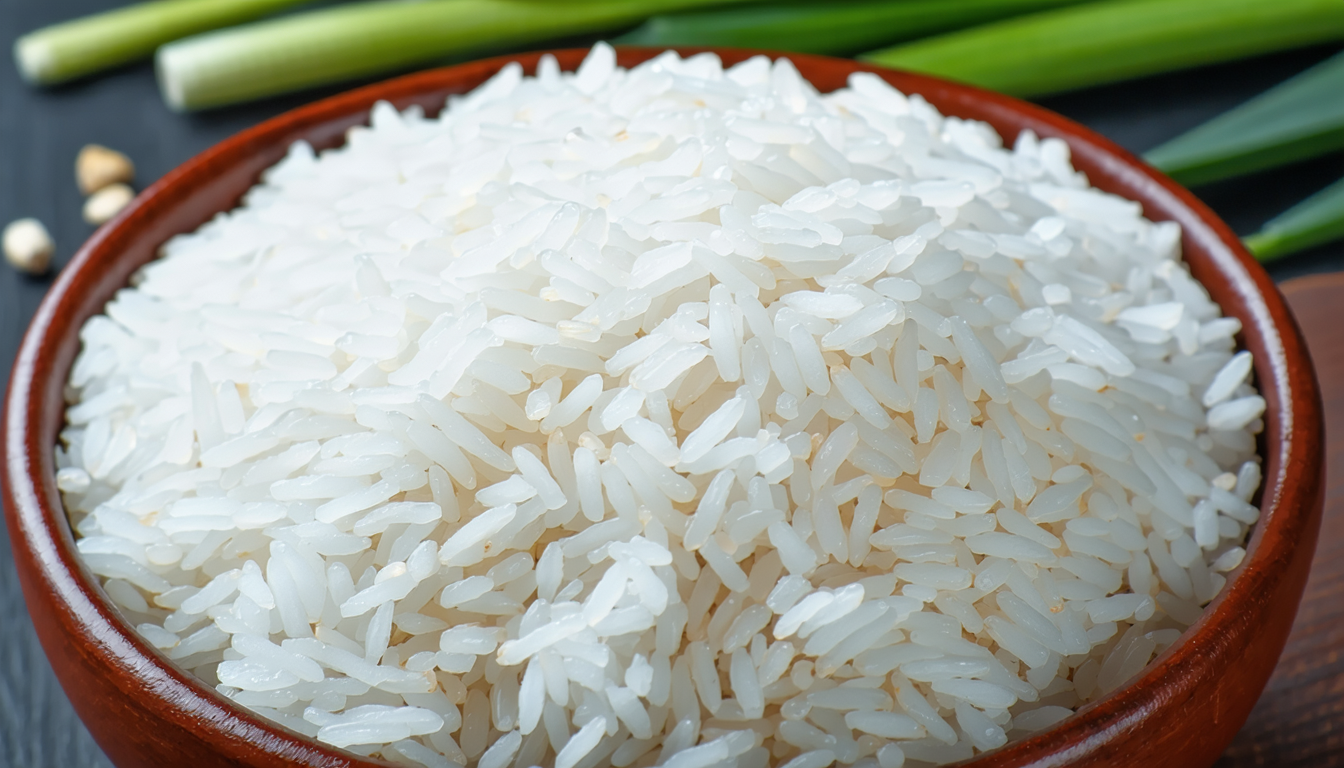

Cooking rice may seem straightforward, but achieving that perfect fluffy, non-sticky texture every time can trip up even seasoned home cooks. It’s not rocket science—anyone can master it—but knowing the subtle steps, the little “aha” moments, that turn bland grains into a comforting, crowd-pleasing side is key. Drawing from kitchen-tested routines, a bit of conversation-style guidance, and real-world tweaks, this guide offers an easy, human‑touched path to reliable rice success.
Understanding the Basics: Rice-to-Water Ratios and Why It Matters
Getting the ratio right lays the foundation. Too much water means mush; too little, and you end up with undercooked, hard kernels.
- Standard white rice usually works best with a 1:1.25 to 1:1.5 ratio (rice to water by volume).
- Brown rice often needs a bit more—around 1:1.75 or even 1:2—because of its bran layer.
- Specialty grains (like jasmine or basmati) may call for slight adjustments based on their structure and your desired texture.
Beyond numbers, it’s about feel. If your rice ends up gummy, dial back the water next time. On the flip side, if it’s dry or chalky, add just a splash more.
Step‑by‑Step Guide: Fluffy Rice in Practice
1. Rinse (or Not?)
Rinsing rice removes excess surface starch that can glue grains together. Rinse until the water runs mostly clear—especially for high-starch types like sushi rice. But for some whole-grain varieties, skipping the rinse can preserve a bit more nutrients and flavor. It’s your call—use your judgement and taste as your guide.
2. Bring to a Gentle Simmer
Start by combining your rinsed (or unrinsed) rice and measured water in a saucepan with a tight-fitting lid. A pinch of salt helps balance flavor—because plain rice can taste like… well, plain. Bring it just to a gentle simmer—watch for tiny bubbles, don’t let it boil over with rage.
3. Cover and Turn Off the Heat
As soon as you see that gentle simmer, reduce the heat to the lowest setting, cover tightly, and let it do its magic undisturbed. No peeking! Lifting the lid lets steam escape—and steam is what cooks the rice evenly.
4. Let It Rest
After about 15 minutes for white rice (or roughly double that for brown), turn off the heat but keep the lid on. Give it another 5–10 minutes to rest. During that quiet time, the grains continue to absorb moisture, resulting in a more consistent texture.
5. Fluff and Serve
Release the lid and gently fluff the rice with a fork—or a chopstick, if you’re feeling fancy. That little swirl aerates the grains without crushing them. And voilà: you’ve got rice that’s fluffy, separate, and tender.
Real‑World Examples and Minor Tweaks
In a small family-run diner I know, the cook uses slightly less water—1:1.2—and completes the process in a heavy-bottomed pot, which holds heat consistently. Their fiancé once said, “Hey, that’s the best rice ever,” which earned them a permanent spot on the menu.
Another friend, cooking brown rice on a busy weeknight, simply threw it in the slow cooker with a bit of olive oil and some broth, and walked away. It turned out perfectly fluffy and delicious—bonus flavor from the broth and hands-off convenience.
Troubleshooting Common Pitfalls
| Problem | Cause | Fix |
|——————–|—————————————|————————————————–|
| Too sticky or mushy | Excess water or overcooking | Reduce water slightly; shorten simmer time |
| Undercooked | Not enough water or too high heat | Add a little water and extend simmer/rest time |
| Burned bottom | Too high heat or thin pot | Lower heat; use a heavy-bottomed pot next time |
| Uneven texture | Stirred during cooking | Don’t lift the lid until resting is done |
Cultural and Contextual Touches
Around the world, rice is more than a side—it’s central to meals. In Japan, short-grain rice is sometimes rinsed multiple times and steamed, producing that quintessential “sticky yet tender” texture. In parts of India, basmati is often soaked before cooking to elongate grains and preserve fragrance.
In many Latin kitchens, cooking rice in a little oil until each grain looks translucent before simmering in stock gives it a toasted aroma and firm structure. These variations stem from regional kitchens, and you can adapt them to suit your taste—makes the process richer, more dynamic.
Quote from the Kitchen
“The secret to perfect rice isn’t magic—it’s consistency. Measure carefully, be patient, and let the rice rest without interference.”
This kind of simple insight, straight from a seasoned home cook, highlights that technique beats tricks every time.
Why Mistakes Help You Learn
Having the occasional batch of gummy rice is fine—it’s how you note what to tweak. If it’s clumpy, next time reduce water a touch. If underdone, add a splash extra and rest longer. Mistakes build awareness—making every next pot better.
Nutritional and Practical Notes
- Rice is naturally gluten-free, making it a staple for diverse diets.
- Adding a fat like a bit of butter or oil can improve texture and mouthfeel—plus, it helps grains stay distinct.
- For flavor and nutrients, consider cooking rice in broth rather than water, or stirring in herbs or aromatics after fluffing.
These small touches make a big difference in both nutrition and enjoyment.
Conclusion
Perfect rice isn’t an accident—it’s the result of simple, mindful steps: measure, adjust, rest, then fluff. Whether you’re starting with white, brown, or fragrant basmati, the process adapts easily. Embrace minor imperfections, tweak as you go, and let your own taste guide each pot. That’s how great rice becomes routine—and maybe even magical in its own, unassuming way.
FAQ
(Omitted as per instruction)






Leave a comment