
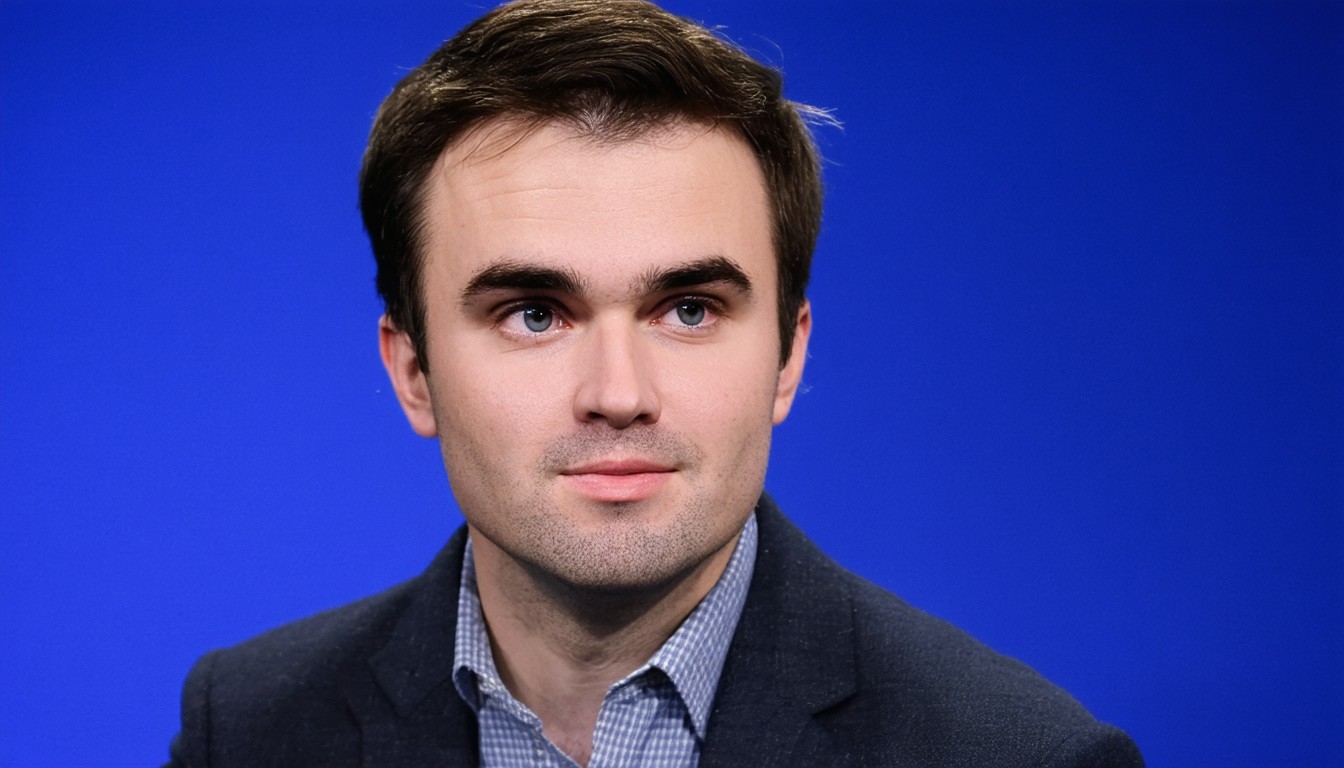

Charlie Kirk has become a defining—and polarizing—voice among America’s conservative youth. As the founder and face of Turning Point USA, Kirk has intentionally leveraged the explosive potential of social media platforms like X (formerly Twitter) to influence Gen Z conservatives and culture warriors. Whether one sees him as an astute political strategist, a provocateur, or a controversialist, there’s no denying his impact on online discourse and political mobilization.
At a time when digital conversations shape public opinion and even policy, figures like Kirk have demonstrated how platforms such as X are more than just broadcasting tools—they are power centers capable of real-world consequence. This article examines Charlie Kirk’s strategies on X, explores the controversies that have followed him, and unpacks the broader influence he wields on both the platform and the American sociopolitical landscape.
The Rise of Charlie Kirk: From Activist to Influencer
Early Activism and Turning Point USA
Charlie Kirk’s ascent began when he founded Turning Point USA (TPUSA) in 2012 as a teenager in suburban Chicago. The organization’s mission was clear-cut: promote conservative principles among high school and college students. With a knack for messaging and event orchestration, Kirk turned TPUSA into a household name among young conservatives, hosting conferences that regularly feature high-profile politicians and political commentators.
Harnessing Social Media: The X (Twitter) Factor
Kirk’s unique talent lies in adapting traditional activism for the age of viral content. He has expertly used X to convert offline advocacy into ongoing digital engagement. On X, Kirk offers sharp, sometimes incendiary commentary on issues ranging from free speech to immigration, often producing posts designed for maximum shareability.
“Charlie Kirk understands that political influence today isn’t just about rallies—it’s about capturing attention and setting narratives, often in 280 characters or less,” says media analyst Lisa Torres.
His rapid, unfiltered communication style has earned him both a dedicated following and widespread criticism for amplifying divisive talking points. With hundreds of thousands of impressions per post, Kirk’s X presence is central to his influence.
Content Strategy: Message, Audience, and Virality
Tailoring the Message for Young Conservatives
Kirk’s X output is methodically designed to resonate with his core audience: digitally native young conservatives. He regularly posts:
- Short, punchy critiques of progressive policies
- Videos of campus activism and debates
- Calls to action for political organizing (voter registration, event participation)
- Memes and visual content tailored for rapid sharing
This multi-pronged content approach positions him as a relatable, ‘in-the-trenches’ conservative thought leader rather than an establishment figure.
Real-World Impact and Campaigns
A closer look at some of Kirk’s campaigns highlights the feedback loop between his digital activity and offline activism. For example, TPUSA’s “Campus Clash” events are often promoted through viral threads on X, with real-time photos, commentary, and follow-up video recaps. This synergy not only mobilizes attendees but also amplifies the messaging to a vastly larger online audience.
Controversies and Criticisms: The Double-Edged Sword of Influence
Online Fights and Cultural Flashpoints
Kirk’s X strategy is not without significant controversy. Some of the most viral—and divisive—moments in his career have involved public spats with media critics, liberal activists, and sometimes allies within the conservative movement. He has faced critiques related to:
- The spread of misleading or unverified information
- Accusations of fueling polarization and culture war rhetoric
- Heated exchanges with rivals and detractors
These controversies often become news stories themselves, further fueling engagement on the platform. Critics say Kirk’s posts sometimes prioritize virality over accuracy, while supporters argue that he speaks hard truths mainstream outlets ignore.
Fact-Checking and Platform Responses
Several of Kirk’s X posts have prompted platform interventions, such as labels on misleading claims or temporary restrictions for policy violations. For instance, during election cycles, fact-checkers and editorial watchdogs have examined some of Kirk’s more incendiary posts, aiming to counter disinformation.
The Push and Pull of Free Speech
Kirk positions himself as a champion of free speech, especially in academic environments he claims are hostile to conservative viewpoints. This framing has made his content particularly resonant among students who feel marginalized by campus culture. At the same time, watchdog groups and academic organizations have argued that this narrative oversimplifies complex campus dynamics.
“Kirk’s framing of campus politics isn’t just messaging; it’s part of a broader culture war being waged online and off, where the battle for free speech is often as much about visibility as it is about principle,” notes Dr. Samuel Groves, political science professor at UCLA.
Measuring Influence: Reach, Engagement, and Political Change
By the Numbers: Engagement on X
While the exact data on Kirk’s engagement rates fluctuates, his posts consistently generate substantial likes, shares, and comments compared to other political influencers in the same demographic bracket. According to industry metrics, Kirk’s X engagement ranks in the upper percentile for U.S.-based political commentators, frequently outpacing older, more traditional voices.
Shaping Policy and Public Opinion
Kirk and TPUSA’s reach has translated into some tangible political outcomes. For example, their voter registration drives in battleground states and advocacy against specific legislative measures have had a measurable effect on local political landscapes. Beyond policy, Kirk’s rhetoric has been mirrored in mainstream conservative talking points, suggesting his influence permeates well beyond digital echo chambers.
The Limits and Challenges
There are, however, notable limitations to digital influence. Some observers argue that online enthusiasm does not always translate to election outcomes or sustainable movement-building. As the digital landscape evolves and audiences become more critical of viral outrage content, the sustainability of Kirk’s long-term influence remains a subject of debate among media scholars.
Conclusion: Navigating the Digital Culture Wars
Charlie Kirk’s use of X reflects the challenges and opportunities inherent in modern political activism. He has mastered the art of shaping narratives in a fractious social media ecosystem, leveraging controversy and engagement to stay at the forefront of conservative discourse. While his approach draws both fervent supporters and sharp critics, it has undeniably altered the landscape of youth political mobilization and online partisan debate.
For political communicators, Kirk’s model underscores the importance of agility, message discipline, and understanding platform dynamics. Those aiming to influence or counteract figures like Kirk will need equally skillful strategies—forging narratives that can survive and thrive in the relentless stream of digital conversation.
FAQs
What is Charlie Kirk best known for?
Charlie Kirk is most recognized as the founder of Turning Point USA and as a prominent conservative commentator, particularly active on X (formerly Twitter).
How does Charlie Kirk use X to influence politics?
He shares provocative commentary, mobilizes his audience for campaigns, and leverages multimedia content to engage young conservatives and amplify political messaging.
Has Charlie Kirk been involved in any major controversies?
Yes, Kirk has faced criticism for spreading misleading claims and has been at the center of multiple online disputes, which have sometimes attracted interventions from social platforms and fact-checkers.
What is Turning Point USA?
Turning Point USA is a nonprofit focused on promoting conservative values among students and young adults, often through high-profile events, social media campaigns, and grassroots organizing.
Does Charlie Kirk’s influence extend beyond social media?
While much of his influence originates from digital platforms, Kirk and TPUSA have contributed to voter registration drives and political advocacy that have impacted local and national debates.
What are some criticisms of Charlie Kirk’s online strategy?
Critics argue his approach contributes to polarization and sometimes prioritizes viral outrage over factual accuracy, while supporters see him as a necessary challenger of mainstream narratives.




Leave a comment