
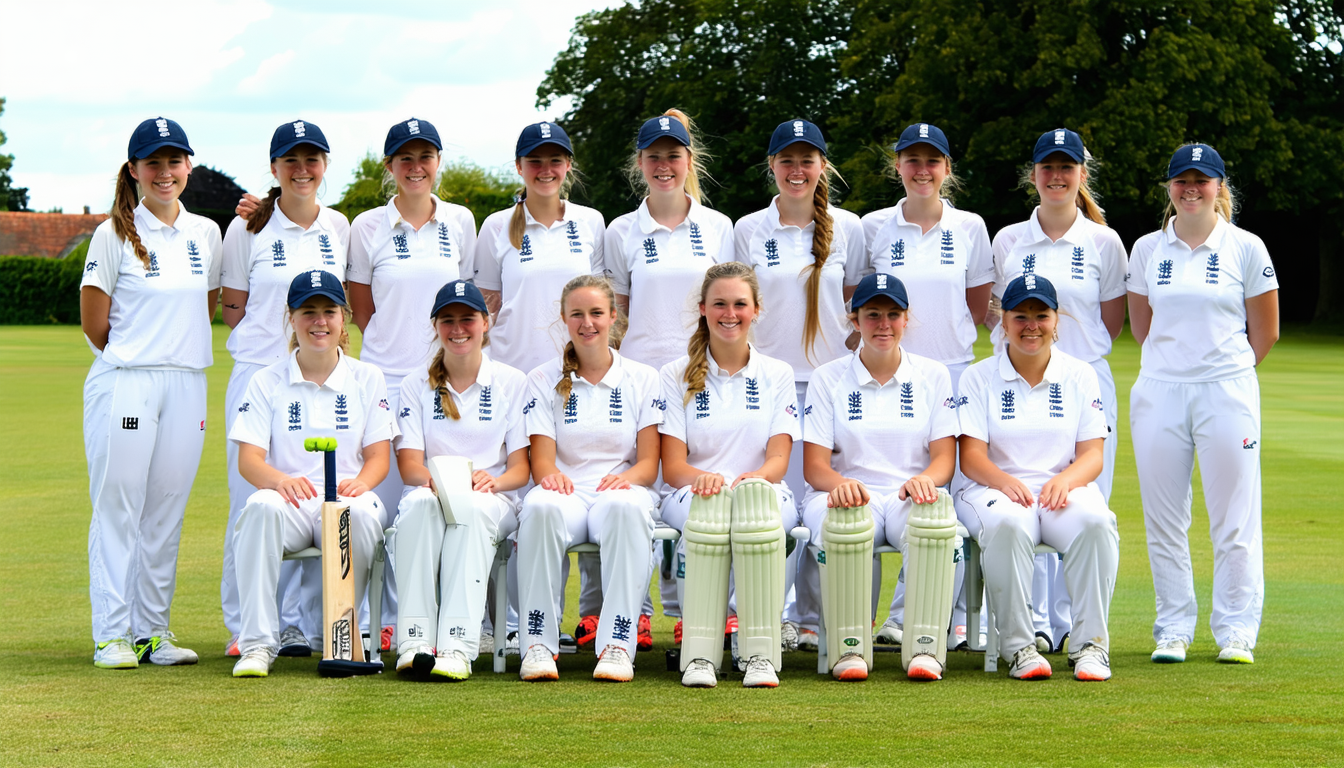

Cricket, for many in England, has always been more than just a summer sport—it’s woven into community parks, pub conversations (which, let’s be real, can get heated), and national identity. The England women’s national cricket team has found itself, quite often, at the heart of this story. Their journey isn’t all picture-perfect; it’s taken years of hard-fought matches, shifting social attitudes, and, let’s face it, sometimes plain old grit to reach the spotlight they enjoy now.
From Humble Beginnings to Global Power
What began with underfunded amateur matches in the 20th century evolved, albeit slowly, into today’s professional outfit. In 1934, England’s women played their first official Test series against Australia, a series that, honestly, few mainstream papers even bothered to cover at the time. Over the decades, funding has oscillated—at times generous, more often not. But through social change and the relentless determination of players and coaches, England developed a women’s program capable of rivaling the world’s best.
Beyond social progress, it’s individual stars—Enid Bakewell in the early days or, more recently, Charlotte Edwards and Heather Knight—who pushed standards higher. Even now, the squad faces challenges: media coverage can still be patchy, and the pressure, at times, feels relentless.
Current Squad: Rising Stars and Seasoned Leaders
Key Players and Leadership
Right now, England’s women’s team (as of this writing, anyway—squads change, let’s not pretend they’re static) boasts a vibrant mix:
- Heather Knight (Captain): Prolific with both bat and brain, she’s steered the team through several high-stake encounters.
- Nat Sciver-Brunt: Known for her dynamism—it’s almost cliché to call her “versatile,” but there’s no better word.
- Sophie Ecclestone: The spin wizard, regularly topping ICC rankings for bowlers.
- Tammy Beaumont: Opening batter who, despite not always being in the headlines, racks up runs when it counts.
- Katherine Sciver-Brunt: (recently retired from internationals, though her influence lingers)
The squad, naturally, changes over time. Injuries, form, new contracts, or, sometimes, a simple “I’m tired of hotels”—they all play a role. And that unpredictability? It’s part of what keeps fans coming back.
Emerging Players
This year, younger faces like Alice Capsey and Lauren Bell are getting real minutes. The learning curve between domestic cricket and, say, facing Australia at a packed Lord’s is steep and unforgiving. Not everyone makes the leap, but when it clicks, it’s genuinely exciting.
“What unites our squad is resilience—that capacity to back each other even on the worst days,” shares a former team coach. “Not all teams have that.”
Achievements & Historic Wins
World Cups and Global Firsts
When tracing England’s records, a few landmarks stand out:
- ICC Women’s World Cup wins: England has lifted the trophy multiple times, including memorable victories in 1973 (the first EVER women’s Cricket World Cup—a fact that surprises folks even now), 1993, 2009, and the 2017 win at Lord’s that drew a near-full house. That match—Anya Shrubsole with the ball, hearts in mouths—remains one of English cricket’s most iconic moments.
- ICC Women’s T20 World Cup: Champions in 2009, and regular fixtures in knock-out stages thereafter.
There have also been tough losses and narrow misses. “You learn more from a bruising loss than a comfortable win,” as players often admit when reflecting on setbacks, especially against sides like Australia and India who, increasingly, are raising the stakes.
Records and Notable Feats
Some records worth knowing—not just for cricket nerds but for anyone trying to win a pub quiz:
- Most Test Runs (Women’s Ashes/England): Charlotte Edwards, an undisputed legend, set the bar.
- Best Bowling Figures: Katherine Brunt and Anya Shrubsole have delivered multiple match-turning spells.
- Fielding records: The team, in recent seasons, has honed their fielding talking about “one-percenters” more than tactics.
It’s not just the official numbers. Sometimes, like with Shrubsole’s hat-trick in a crunch match or Ecclestone’s marathon spells, the moments outweigh the stats.
Playing Style: Strategy, Guts, and Adaptation
Adaptability in Short and Long Formats
England has developed a reputation for aggressive batting and sharp fielding, especially in limited-overs cricket. In Tests, there’s a traditional bend—patience and grinding through sessions. But T20 cricket has sparked innovation, pushing players to expand their game more than ever.
Sometimes the strategy goes pear-shaped (that’s sport), like when bold lineup changes backfire. Other times, an unexpected promotion in the batting order works like magic. That unpredictability is essential—rigid planning rarely survives reality.
Influence Beyond the Field
Off the pitch, England’s women have inspired change. They’ve gone from playing in front of sparse weekend crowds to selling out major stadiums. There’s a definite sense that today’s players know they’re not just representing themselves, but also standing on the shoulders of those who fought for equal pay, media coverage, and safer facilities.
“For every record broken on the field, there are ten battles fought off it,” said a former captain. “Equality isn’t a finish line; it’s an ongoing process.”
Recent Trends: Statistics and Popularity
Women’s cricket attendances have grown, with ticket sales, TV ratings, and online streaming numbers climbing almost every year since the mid-2010s. Social media, especially, has brought new fans, with players like Nat Sciver-Brunt and Danielle Wyatt becoming recognizable names well beyond the sport.
However, the team’s path isn’t all upward. The rise of professionalism worldwide—India’s new leagues, Australia’s WBBL—creates fresh challenges (and opportunities). England must keep evolving, or risk being left behind by global investment elsewhere.
The Road Ahead: Challenges and Opportunities
Looking forward, several things matter:
- Talent Pathways: Investing in club and school programs so the next generation isn’t lost in the shuffle.
- Diversity: Increasing representation—class, race, geography—remains a work-in-progress.
- Balancing Tradition and Change: That means honoring Test cricket, not just chasing T20 revenue.
The players you see breaking records today? They didn’t get there by following a script. Missed buses, injuries, mid-match slumps… it’s messy, but it’s real. That, ultimately, is what keeps the England women’s national cricket team both unpredictable and magnetic.
Conclusion
The story of the England women’s national cricket team is anything but linear. Triumphs and missteps, legends and rookies, and more than a few scrappy turnarounds—their journey isn’t just about numbers on a page, but the culture they’re building. As other countries ramp up investment and the women’s game gets faster and louder, England’s role as a global contender is clear. The team’s next big milestone could come from anywhere—a record, a rivalry-defining win, or a breakthrough from a teenager few have even heard of yet.
FAQs
Why is the England women’s cricket team so successful?
Success comes from a mix of history, strong domestic structure, and investment in coaching at all levels. A culture of supporting new talent definitely helps too.
Who are the most famous England women’s cricketers?
Legends like Charlotte Edwards, Heather Knight, Isa Guha, and Katherine Brunt have left a real mark, but new names like Nat Sciver-Brunt are becoming stars.
How can I watch England women’s national cricket team matches?
Most international matches are broadcast on sports channels and streamed online. Check the England and Wales Cricket Board (ECB) website for schedules and updates.
Has the team faced gender equality challenges?
Yes, players have campaigned for better pay, resources, and visibility for decades. Progress is visible, but some gaps still remain.
How many times has England won the Women’s Cricket World Cup?
England has claimed the Women’s Cricket World Cup trophy multiple times, with victories in 1973, 1993, 2009, and 2017.
What’s next for the England women’s national cricket team?
Continued growth of the domestic game and finding new talent is crucial. Staying competitive globally will require both investment and adaptability, especially as rival nations step up.




Leave a comment