
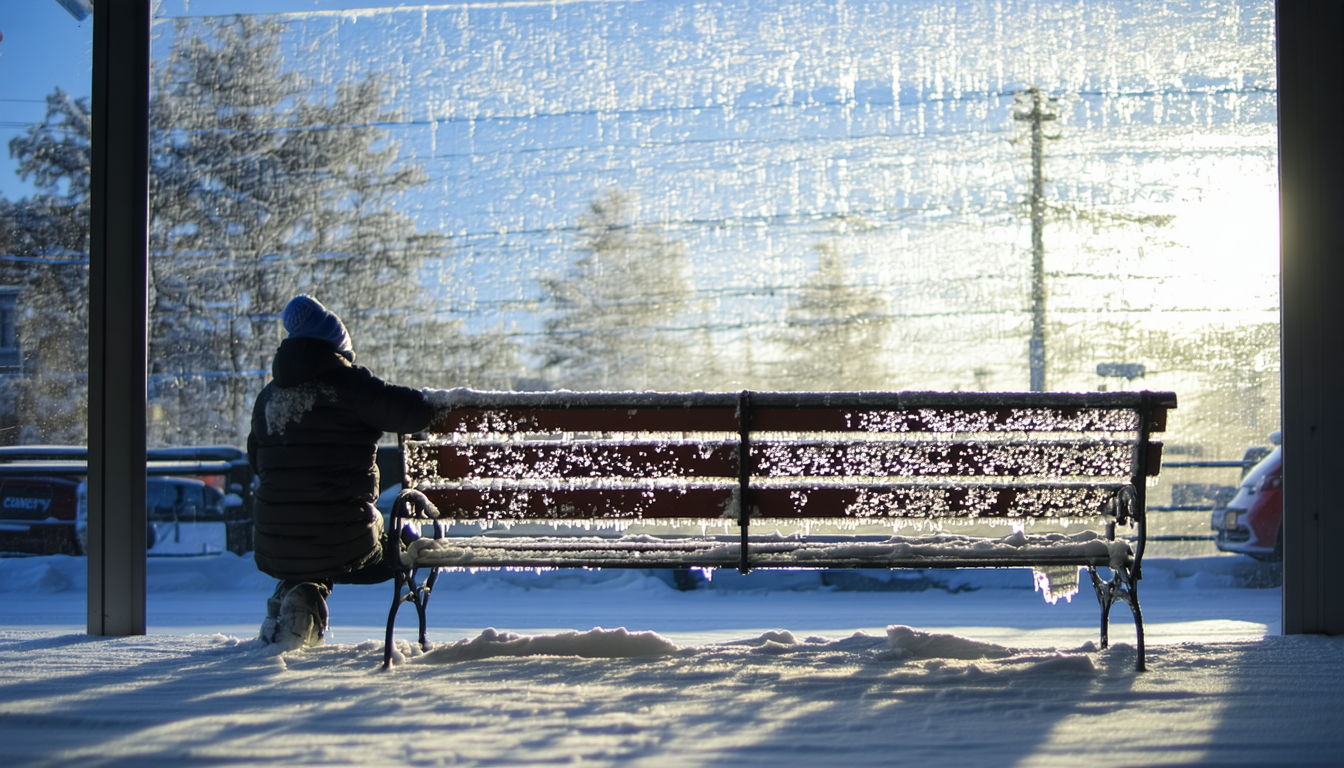

Winter’s grip can be fierce—especially when extreme cold warnings sweep across regions. These alerts aren’t just dramatic headlines; they signal dangerous conditions that demand attention. Whether the chill has already settled or is heading your way, understanding what’s happening and how to stay safe is absolutely critical.
Here’s a snapshot of what’s at stake: temperatures that can plunge far below zero, wind chills that intensify the bite, and the kind of cold that transforms simple walks into potential emergencies. Beyond raw numbers, these scenarios often mean power outages, frozen pipes, and serious health risks for anyone ill-equipped. Keeping a cool head—pun intended—means being prepared, tuned in, and proactive.
Understanding the “Extreme Cold Warning”
What triggers such a warning?
An “extreme cold warning” typically means temperatures or wind chills are expected to drop well below freezing, potentially threatening health and safety. These alerts vary regionally but often signify sustained or rapidly dropping cold. For example, in some areas it might mean wind chills falling to –35°F or colder, sustained over several hours.
Why it’s not just “cold” — it’s dangerous
It’s easy to shrug thinking, “It’s just cold.” But when frostbite can strike within minutes and hypothermia can creep in when you least expect it, the stakes become real. Historical cases show that without adequate preparation, even the heartiest get nailed by the relentless drop in degrees.
Real-World Context & Practical Implications
Daily life transforms under extreme cold
People living in cold-climate cities know that some days simply don’t function normally. Schools shut, municipal services delay trash pick-up, and frozen pipes turn morning routines into chaos. A small anecdote: a neighbor’s boiler broke during a deep freeze, and without a backup plan, the household resorted to space heaters—something they hadn’t taken seriously before.
Broader consequences beyond discomfort
Extreme cold doesn’t just inconvenience—it disrupts. Transportation systems slow to a crawl, supply chains wobble, and businesses, especially small ones, often struggle to stay open. Even utility companies get strained, running the risk of rolling blackouts if demand spikes and infrastructure isn’t prepped. Many years, I’ve seen entire communities rally—with warming centers, neighbor check-ins, and grassroots solutions helping keep folks safe.
Staying Safe: Strategies That Work
Prepare ahead: your winter toolkit
When you hear the words “extreme cold warning,” respond right away—and here’s a mental checklist that’s helped many:
- Stock up on essentials: non-perishables, water, and medications.
- Keep your home warm: seal drafts, insulate, or use space heaters if necessary.
- Flashlights and batteries: power failures aren’t jokes when it’s minus 20.
Dress smart, not just warm
Layering isn’t just sensible—it’s life-saving. A thermal base layer, cozy mid-layer, and windproof outer shell make a huge difference. Mittens, wool socks, and a snug hat? Non-negotiable. There’s this one time when a friend thought jeans and a hoodie would do… ended up stuck outdoors with bare hands. Learned the hard way that protection from wind and moisture matters as much as warmth.
When travel is unavoidable
If you’ve got to be on the road, heed this:
- Let someone know your route.
- Keep a “cold emergency kit” in your vehicle (blanket, snacks, phone charger, and a shovel).
- Move cautiously—but keep moving if stranded.
Protect the most vulnerable
Extreme cold affects everyone differently. Children, the elderly, and those with chronic illnesses are especially at risk. Checking on neighbors or family members during deep freezes is more than neighborly—it can be lifesaving. Emergency shelters or warming centers offered by local agencies have helped many avoid dangerous exposure.
Health Risks Made Real
Frostbite — faster than you’d expect
Frostbite can cause permanent damage in a matter of minutes when wind chill is extreme. Fingers, toes, the nose, and ears are the most exposed. Warning signs like numbness or tingling should never be ignored—re warming only when indoors and never rubbing the affected area, as that can worsen injuries.
Hypothermia — silent and sneaky
This isn’t always dramatic; sometimes victims just nod off, assuming they’re okay. Early signs include confusion, shivering, slurred speech, and exhaustion. Getting warm, removing wet clothing, and sipping something warm (no alcohol) are key steps while getting help immediately.
Quote from a Winter Safety Expert
“When temperatures dive into extreme territory, simple missteps can escalate fast. The smartest move is early preparation—ensuring warmth, communication, and emergency plans are in place well before the thermometer breaks records.”
Long-Term Resilience: Beyond the Immediate Freeze
Infrastructure investments that pay off
Communities that weather cold best aren’t just lucky—they plan smart. Upgrading insulation in public buildings, investing in decentralized energy solutions like microgrids, and ensuring roads are pre-treated reduce disruption. A city I observed recently allocated winter resilience funds, cushioning critical services during Siberian-level snaps.
Enhancing public awareness
Education campaigns before winter hits can be transformative. Messaging about layering, frostbite, and how to react when a warning is issued—spread through schools, radio, or social media—builds mental readiness. Even small awareness shifts can mean fewer emergencies when plunges arrive.
Conclusion
An extreme cold warning isn’t a seasonal checkbox—it’s a serious signal demanding readiness. When waste heat turns into ice, the difference between comfort and crisis often comes down to preparation, community awareness, and swift action.
Key takeaways: keep your space warm, layer thoughtfully, stay informed, and look out for each other. In extreme cold, a little forethought goes a long way—shielding you and your community from freezing surprises.




Leave a comment