
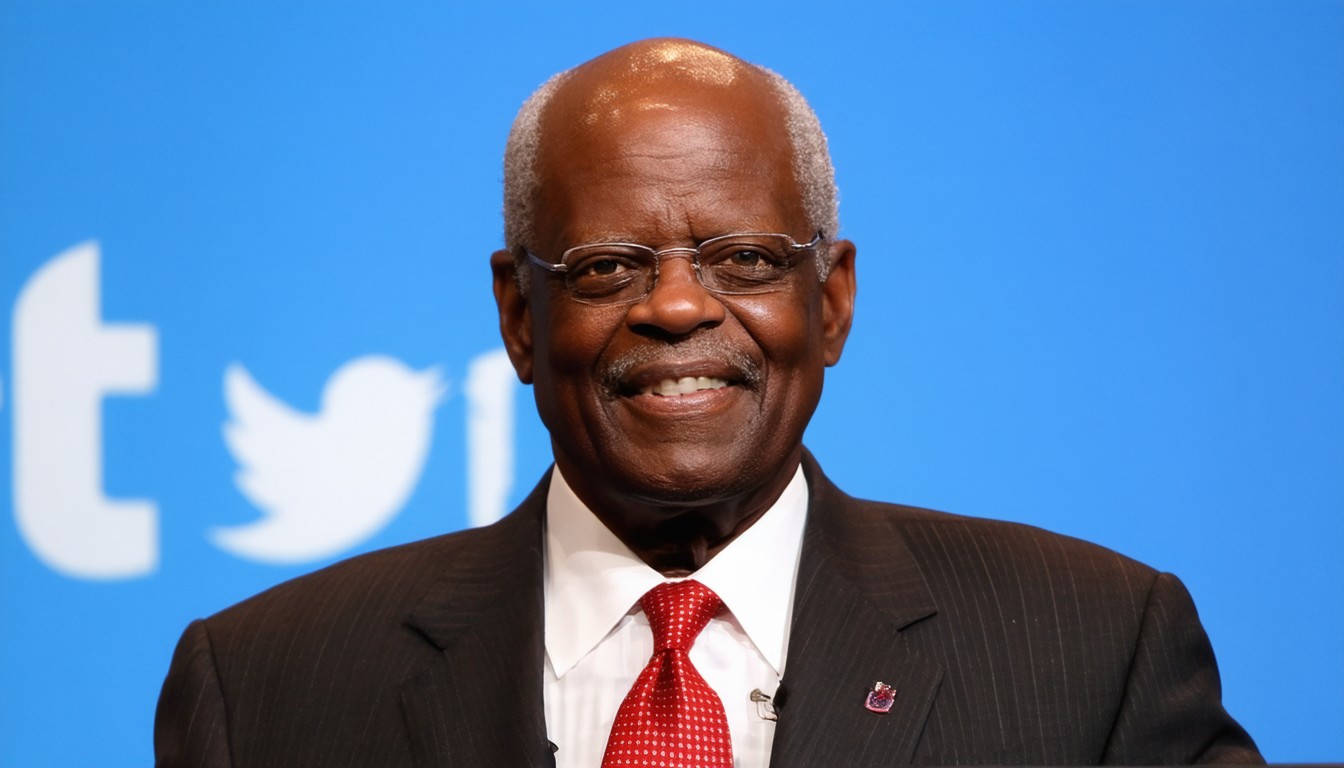

Herman Cain’s public career transcended traditional politics, with his social media presence often defining—and sometimes outlasting—the news cycles in which he participated. A prolific user of Twitter, Cain leveraged the platform to rally supporters, comment on current events, and cement his voice in America’s evolving political conversation. In exploring Cain’s Twitter updates and broader social media impact, one uncovers not just a timeline of personal perspectives but also a portrait of viral influence, controversy, and the blurred boundaries between public identity and digital memory.
The Rise of Herman Cain’s Twitter Voice
Cain’s foray into Twitter began in the late 2000s, a time when American politics was quickly embracing the medium as a tool for influence. Not content to simply broadcast policy statements, Cain’s tweets were distinctly personal and often conversational. Throughout his 2012 presidential bid, his ongoing commentary—punctuated by hashtags, humor, and sharp opinions—set him apart from more conventional political communicators.
Key Trends in Content and Engagement
Cain’s Twitter feed reveled in a mix of signature slogans (“9-9-9” became shorthand for his tax plan), campaign updates, and pop culture quips. For instance, his affinity for quoting the Pokémon movie during the 2012 campaign, first widely mocked, later became emblematic of the quirky, meme-ready nature of social media politics.
His Twitter engagement tracked with major events:
- Campaign Milestones: Support surges and public appearances were live-tweeted in real time, giving followers immediate access.
- Polarizing Issues: Cain didn’t shy away from hot-button debates, tweeting about health care, immigration, and economic policy in pointed, sometimes polarizing ways.
- Viral Moments: Cain was early to recognize the potential for humor and viral content, mixing in entertainment references that often sparked retweets well beyond his core base.
Beyond promoting his candidacy, Cain built a digital persona born of authenticity and accessibility—a precursor to the influencer-style politics now commonplace.
Major Controversies and Viral Highlights
Social media’s double-edged sword was apparent throughout Cain’s online journey. His Twitter feed oscillated between playful banter and stinging controversies. The most notable moments often involved real-time reactions to scandals or high-profile news cycles, which sometimes drew criticism from opponents and sparked widespread discussion.
The COVID-19 Debate and Its Repercussions
Perhaps most significantly, Cain’s social accounts continued to operate after his passing in July 2020 due to complications from COVID-19. The continued activity of his Twitter profile, which sometimes downplayed the severity of the pandemic, provoked debate about legacy and responsible platform stewardship.
“The continued use of a deceased person’s social media account to comment on a public health crisis is unprecedented and raises serious questions about digital ethics.”
—Social Media Ethics Analyst
This episode became a flashpoint for discussions on how digital legacies are managed, especially when they engage with ongoing, sensitive topics. Many critics and supporters alike questioned whether a team should speak in Cain’s name posthumously.
The Lasting Influence of Cain’s Social Media Strategy
Cain pioneered several approaches that have now been widely adopted in political digital branding:
- Direct Voter Engagement: While most politicians employed social media as a supplementary medium, Cain made the platform central to his strategy, responding directly and personally to followers.
- Humor and Pop Culture Crossover: His willingness to blend politics with entertainment anticipated the meme-driven, viral-first nature of later political communications.
- Authenticity, for Better or Worse: Cain’s feed was less filtered and more candid than many of his peers, something political strategists now cite as a blueprint for building “relatable” personas.
Comparing Cain’s Methods to Contemporary Peers
Other politicians—like Donald Trump and Alexandria Ocasio-Cortez—further popularized Twitter as a central tool for unfiltered communication. However, Cain’s mixture of openness and occasional controversy demonstrated both the risks and rewards of such a digital-first approach.
Social Media Team vs. Personal Brand
After 2020, the difference between Cain’s personal voice and his social team’s messaging became a subject of public scrutiny. This phenomenon is not unique; many high-profile figures now employ teams to curate and post on their behalf. Yet, when accounts continue to tweet after a user’s death, public trust and brand authenticity can be challenged.
Case Study: Posthumous Social Media Controversies
The debate around Cain’s ongoing Twitter usage echoes issues seen with other public figures’ digital estates. For example:
- Public Figures’ Accounts: Following the deaths of Anthony Bourdain and Stan Lee, their social media accounts were handled with varying degrees of transparency, often marking posts as memorial or tribute content.
- Ethics of Representation: Digital rights organizations have argued for clear policies distinguishing between authentic legacy continuation and opportunistic engagement.
Lessons from Herman Cain’s Twitter Narrative
Herman Cain’s digital presence offers vital lessons for the intersection of personality-driven media, crisis communication, and digital legacy. His Twitter journey reveals how authenticity can win public favor—and how digital ambiguity can cloud a public figure’s legacy.
“In the age of social media, a public figure’s digital persona can become as enduring as their policy contributions. Herman Cain’s Twitter feed left a mix of inspiration, controversy, and unresolved questions about who speaks for the dead online.”
—Digital Culture Commentator
Conclusion
Herman Cain’s Twitter updates and social media highlights illustrate the evolving choreography of modern public life in the digital age. From campaign-trail candor and viral hashtag moments to the ethical complexities of posthumous posting, Cain’s journey mapped both the promise and peril of politics in the platform era. For future public figures, the lessons are clear: authenticity, responsiveness, and ethical stewardship are prerequisites for building, and preserving, a meaningful digital legacy.
FAQs
What was unique about Herman Cain’s approach to Twitter?
Cain’s feed blended candid conversation with political messaging, often using humor and popular culture references to create viral moments. This stood out compared to the more scripted approaches of his contemporaries.
Did Herman Cain’s Twitter account continue after his death?
Yes, the account remained active and occasionally posted political commentary after Cain’s death, which generated debate over ethical digital legacy management.
What controversies arose from Cain’s social media usage?
The most significant controversy stemmed from posthumous tweets about the COVID-19 pandemic, with many criticizing the practice as misleading or inappropriate.
How did Herman Cain influence political social media strategies?
Cain helped pioneer the use of Twitter as a primary engagement tool, directly interacting with followers and embracing a more informal, relatable tone that has since become widespread in political communications.
Why is digital legacy management important for public figures?
Managing social media after a person’s death affects both ethical considerations and the public’s perception of legacy, requiring careful stewardship to avoid misinformation or reputational damage.




Leave a comment