
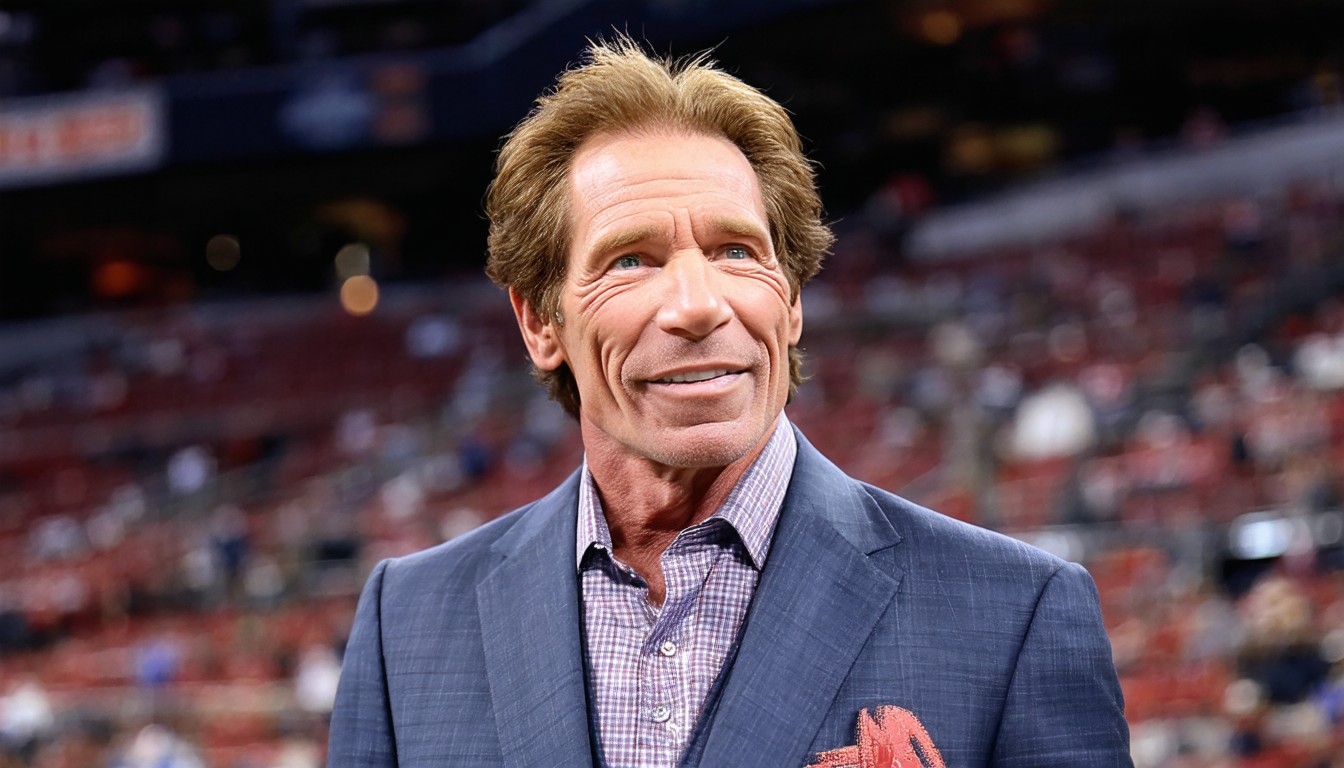

Skip Bayless is no stranger to viral moments or online debate. As a veteran sports analyst and television personality—best known for his heated takes on programs like Undisputed—Bayless has carved out an influential niche, particularly on social media platforms. Twitter, in particular, serves as his megaphone, often setting the tone for national sports conversations and sparking energetic reactions from fans and athletes alike. This article breaks down Bayless’s approach to Twitter, highlights the most recent and impactful tweets, and examines the broader conversation surrounding his online presence.
The Power of Skip Bayless’s Twitter Persona
Bayless, with millions of followers, embodies a rare intersection of sports commentary and online performance art. He treats Twitter not merely as a broadcast tool, but as an arena for sharp opinion, quick retorts, and real-time engagement. Unlike many sports journalists who keep their social media understated, Bayless delivers opinions with as much bravado online as he does on television.
For instance, during the height of the 2023 NFL season, Bayless’s comments about star quarterback Dak Prescott ignited waves of fan reaction, trending for hours. These moments illustrate the reach and volatility of his posts:
- They frequently prompt direct responses from athletes (notably LeBron James and Damian Lillard in heated threads).
- Sports blogs and mainstream media often dedicate space to dissecting and amplifying his pronouncements.
- Viral hashtags and memes emerge, sometimes within minutes, solidifying Bayless’s tweets as cultural flashpoints.
Recent Noteworthy Tweets and Immediate Impact
Fans and reporters alike monitor Bayless’s Twitter for the kind of blunt commentary that drives clicks and shares. In early 2024, a handful of his tweets stood out for their resonance and aftershocks:
Criticizing NBA Superstars
Bayless’s running commentary on NBA stars, particularly LeBron James, remains a social media mainstay. A recent tweet questioning LeBron’s late-game decision-making garnered tens of thousands of retweets and direct responses from both supporters and critics.
“Skip doesn’t just comment on sports—he shapes how the discussion unfolds. His tweets are both lightning rods and lighthouses in the modern sports media landscape.”
— David J. Leonard, Professor of Sport and Society
Sparking Debates Over NFL MVP Contenders
Shortly after the NFL’s regular season concluded, Bayless cast doubt on Lamar Jackson’s MVP credentials via Twitter. This post kicked off a cascade of sports radio segments, follow-up debates, and heated replies, showing how one strong opinion can reverberate through the American sports media ecosystem.
Micro-Moments: Live Tweeting and Viral Soundbites
During playoff games, Bayless often live-tweets, with each message analyzed in real time. For example, a succinct reaction to a missed buzzer-beater (“Never that guy,” in reference to a star) became a meme across basketball Twitter, demonstrating the currency of Bayless’s bite-sized takes.
Public Reaction: Fans, Athletes, and Fellow Analysts
The aftershocks of Bayless’s tweets are often immediate and intense. Reactions can be neatly separated into three main groups: fans, athletes, and members of the media.
Fans as the Echo Chamber
Bayless’s Twitter replies are often flooded with polarized sentiment. Many users amplify his takes with both supportive praise and critical memes, using his tweets as springboards for their own commentary. The hashtag #SkipBayless trended multiple times in the past year, showing his continued resonance.
Athletes Pushing Back
The interactive nature of Twitter means Bayless’s criticisms rarely go unanswered by athletes themselves. Notably, LeBron James has occasionally subtweeted responses without naming Bayless directly, while NFL players like Dez Bryant have engaged in direct exchanges.
Peer Media and Aggregators
Beyond the immediate Twitter audience, sports journalists and aggregators like Bleacher Report, ESPN, and The Athletic often feed Bayless’s tweets into their coverage. A typical cycle may involve:
- Bayless tweets a provocative opinion.
- Media outlets amplify or critique the take.
- Fans and athletes respond, generating secondary headlines.
This recursive feedback loop enhances Bayless’s relevance in both traditional and digital sports journalism.
The Strategic Use of Controversy
Controversy is part and parcel of the Skip Bayless brand. While some critics accuse him of “trolling” for attention, others see his approach as an intentional strategy to foster engagement and set the agenda for sports discourse.
Provocation as a Tool
Skip Bayless often targets divisive figures and trending topics, knowing full well the engagement potential. This strategy mirrors approaches seen in other high-profile media personalities, from Stephen A. Smith to Piers Morgan.
Why It Works
- Fosters debate, ensuring that Bayless remains a daily topic.
- Encourages virality, bringing his tweets into timelines beyond his core followers.
- Drives traffic to his television appearances and other platforms.
The Ethics and Responsibility Factor
Some media critics worry about the consequences of such an approach. When a tweet questions an athlete’s injury toughness or personal character, the backlash can be fierce and at times, problematic for a healthy sports discourse. Still, Bayless rarely backtracks—a consistency that both brands him as unapologetic and draws criticism.
Social Media Trends and Analytics: Skip Bayless by the Numbers
Analyses of sports media trends consistently underscore Bayless’s influence:
- His posts regularly notch engagement rates well above industry averages for sports journalists.
- Twitter analytics tools have shown spikes in hashtags and keyword searches coinciding with his most viral moments.
- Aggregator accounts often prioritize Bayless’s tweets due to their proven track record of sparking conversation.
Notably, during key sporting events like the Super Bowl or NBA Finals, Skip Bayless’s Twitter activity surges in both frequency and interaction, reinforcing his position as a leading voice—whether people agree with him or not.
Comparing Skip Bayless to Other Sports Personalities on Twitter
While Skip Bayless is hardly the only sports commentator using Twitter for amplification, his style is particularly recognizable.
Similarities with Peers
- Stephen A. Smith also leverages social media for instant reactions and controversy.
- Colin Cowherd uses Twitter to share podcast clips and provoke debate among football fans.
Unique Elements of Bayless’s Approach
- Personalizes critique, often focusing on specific athletes and coaches.
- Employs a tone that is both informal and authoritative.
- Leverages his own brand as a lightning rod, amplifying attention regardless of sentiment.
Concluding Thoughts: The Magnetic Pull of Skip Bayless on Twitter
Skip Bayless’s Twitter presence is a testament to the evolving nature of sports journalism in the age of social media. His tweets shape debates, influence headlines, and occasionally overshadow the games themselves. Whether serving as instigator or lightning rod, Bayless exemplifies how a strong digital voice can command attention across platforms, for better or worse.
Brands, leagues, and other commentators would be wise to study this model—balancing engagement with responsibility. In today’s rapid-fire landscape, the ability to provoke and manage vast digital discussions remains a distinctive, if polarizing, skill.
FAQs
How does Skip Bayless use Twitter differently than other sports analysts?
Skip Bayless embraces a direct, provocative style on Twitter, often speaking in definitive statements that spur conversation. He interacts with fans, commentators, and players, driving real-time debates on trending topics.
Has Skip Bayless ever deleted controversial tweets?
Although Bayless has faced backlash for certain tweets, he rarely deletes them, embracing controversy as part of his digital persona. This willingness to stand by his statements further solidifies his brand as unfiltered and unapologetic.
What is the impact of Skip Bayless’s tweets on athletes?
Athletes often respond to Bayless’s tweets, either directly or through subtweets, reflecting his influence on sports discourse. His comments can fuel broader media discussions and sometimes motivate public responses from the stars he critiques.
Are Skip Bayless’s tweets scripted or spontaneous?
Most of Bayless’s tweets appear spontaneous, often aligning with live reactions to games or breaking news. However, some posts are likely designed to maximize impact and discussion, reflecting a strategic approach to social media presence.
Why do Bayless’s tweets trend so frequently?
His tweets trend because they usually address timely, polarizing topics and often challenge popular opinions about prominent athletes or sporting events. The strong reactions from fans and media amplify their reach and visibility.
Do sports networks respond to his Twitter statements?
Major sports networks and online news outlets frequently reference Bayless’s tweets in their coverage, using them as springboards for panel discussions and feature stories. This further expands the real-world impact of his online commentary.




Leave a comment