

Introduction: Cracking the Code of the Starbucks Brown Sugar Shaken Espresso
For coffee enthusiasts and casual sippers alike, the Starbucks Brown Sugar Shaken Espresso has swiftly become a modern classic. You may have seen it trending on social platforms or noticed the steady stream of customers ordering this cinnamon-kissed, subtly sweet drink. But as preferences shift and 2025 approaches, you might wonder: What exactly is in this drink? How many calories does it pack, and can you tweak it to fit your tastes or dietary needs?
This article breaks down the Starbucks Brown Sugar Shaken Espresso—its flavor profile, nutritional facts, and practical strategies for making it your go-to beverage. Whether your goal is to savor a new treat or manage your daily calorie intake, you’ll find clear answers and real-life tips ahead.
What the Starbucks Brown Sugar Shaken Espresso Is—And Why It Matters in 2025
At its core, the Starbucks Brown Sugar Shaken Espresso blends robust shots of espresso with brown sugar syrup, oatmilk, ice, and a dusting of cinnamon. This combination creates a layered, slightly caramelized flavor that appeals to a growing segment of coffee drinkers seeking alternatives to heavy, dairy-based lattes.
The significance of this drink has grown recently, serving as a bellwether for broader shifts in consumer taste. With oatmilk now a staple across Starbucks’ U.S. stores and brown sugar syrup gaining a dedicated following, this beverage offers an inviting entry point for those looking to reduce dairy or added sugar in their daily routine.
Why It Matters for Coffee Drinkers and Health-Conscious Customers
Demand for plant-based alternatives has soared, with 39% of U.S. consumers seeking to reduce dairy intake and Starbucks reporting a 17% rise in orders with alternative milks in 2023 (Starbucks, 2023). The Brown Sugar Shaken Espresso fits squarely within this trend, offering a dairy-free default and flexible customizations. It’s not just about flavor—this drink allows consumers to balance taste with wellness goals, especially as calorie and sugar content become more closely scrutinized.
The Core Blueprint: Flavor, Calories, and Customization
Understanding how the Starbucks Brown Sugar Shaken Espresso is built—and how you can adapt it—can help you maximize enjoyment and minimize regret.
Pillar 1: Flavor Layers and Sensory Appeal
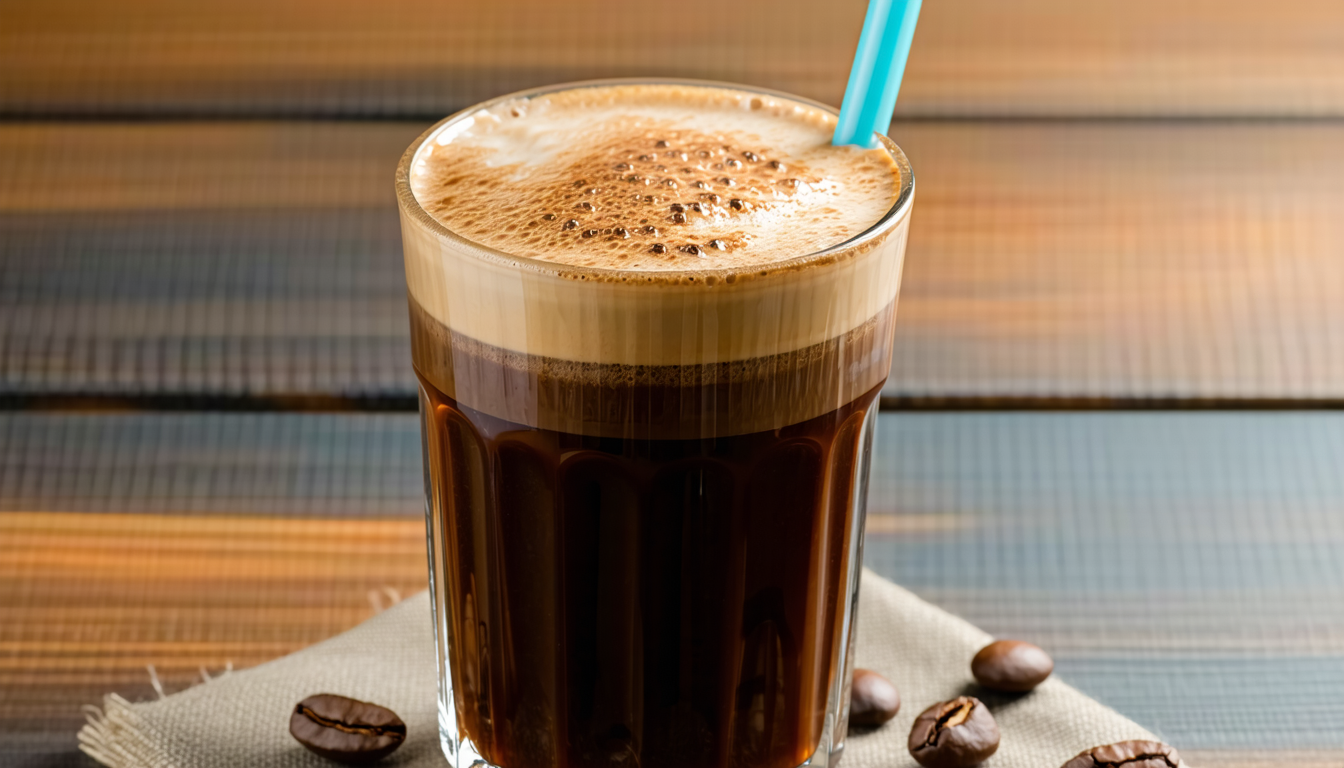
The hallmark of this beverage is its “shaken” preparation. Baristas combine espresso shots, brown sugar syrup, and ice before shaking the mixture vigorously. This aeration produces a frothy, silky texture, mellowing the espresso’s sharpness while inviting sweetness from the brown sugar. Adding oatmilk brings a creamy finish, and a dash of cinnamon provides gentle warmth.
How to identify the right balance for you:
– Prefer a stronger coffee flavor? Ask for an extra espresso shot.
– Want it less sweet? Request fewer pumps of brown sugar syrup.
Pillar 2: Calorie Considerations and Nutritional Facts for 2025
A grande (16 fl. oz.) Brown Sugar Oatmilk Shaken Espresso at Starbucks in 2025 contains approximately:
– 120 calories
– 3 grams of fat
– 20 grams of carbohydrates (12g sugar)
– 2 grams of protein
These numbers compare favorably to many other espresso beverages—thanks to oatmilk’s lower fat and sugar profile versus whole milk or some flavored creamers.
How to adjust for your dietary needs:
– Substitute oatmilk with almond or nonfat milk to reduce calories.
– Reduce the number of brown sugar syrup pumps: each pump has about 15-20 calories.
Pillar 3: Customization—How to Make It Yours
Starbucks offers robust customization:
– Choose your milk: Oat, almond, soy, or dairy.
– Modify sweetness: Standard is 4 pumps of syrup for a grande, but you can ask for fewer.
– Add shots: Increase espresso for extra caffeine.
– Opt for low-calorie add-ons: Cinnamon powder, light ice, or sugar-free syrups as available.
Pillar 4: Monitoring—What Tools and Metrics Help?
Tracking calories, sugar, and caffeine can be simple:
– Use Starbucks’ in-store or app nutrition calculators.
– For home versions, apps like MyFitnessPal can estimate per-ingredient content.
– Check the color and foam: a well-shaken espresso should have an even, light brown hue and delicate froth—hallmarks of proper technique.
Data & Proof: What the Numbers Say About the Starbucks Brown Sugar Shaken Espresso
Key Statistics
- In 2023, Starbucks reported that more than 30% of hand-crafted beverage sales involved non-dairy milk (Starbucks, 2023).
- The Shaken Espressos line saw a 15% year-over-year growth in orders since its 2021 debut (QSR Magazine, 2024).
- According to the CDC, the average American adult consumes 17 teaspoons (about 68g) of added sugars per day, making awareness of drink sugar content all the more crucial (CDC, 2023).
- A typical Brown Sugar Shaken Espresso contains approximately 12g of sugar for a grande, compared to 33g in a regular flavored latte of the same size.
Implications for Your Choices
These numbers highlight a clear trend: as more consumers opt for non-dairy and lower-sugar drinks, Starbucks continues expanding its menu to match. The Brown Sugar Shaken Espresso answers the call for indulgence without some of the excesses found in traditional coffeehouse lattes. For calorie or sugar-conscious drinkers, it provides a lower-impact, satisfying solution—while those who want more sweetness can still customize as desired.
Practical Examples: Real-World Success Stories and Creative Twists
Example A: Adopting the Shaken Espresso for a Healthier Routine
Consider Alex, an office professional aiming to cut 200 calories daily from her diet without sacrificing her afternoon coffee ritual. By switching from a grande Caramel Macchiato (250 calories) to the Starbucks Brown Sugar Shaken Espresso (120 calories), she cut her beverage calories in half. After three months, Alex reported better energy levels and a sustained 8-pound weight loss—without feeling deprived.
Example B: Creative Home Adaptation
Jenna, an at-home barista, wanted to recreate the Starbucks Brown Sugar Shaken Espresso with less sugar. She brewed double-strength espresso, used unsweetened oatmilk, and replaced two-thirds of the brown sugar syrup with a zero-calorie sweetener. The total calorie count per serving dropped to 60, and Jenna found the flavor still authentic, confirming that at-home versions can achieve both health and taste goals.
Common Mistakes & How to Avoid Them
Many first-timers and even seasoned fans of the Starbucks Brown Sugar Shaken Espresso fall into familiar traps:
- Overlooking sweetener levels: Accepting the default syrup quantity may lead to unintended sugar intake.
- Mismatching milk choices: Substituting with full-fat or sweetened milks can push calories higher than anticipated.
- Not shaking enough: Failing to properly shake the drink at home results in a flat texture and uneven flavor—a core part of the drink’s identity.
- Ignoring portion sizes: Upsizing out of habit can significantly increase calorie and sugar consumption.
To avoid these pitfalls, communicate your preferences clearly, experiment with at-home recipes cautiously, and use digital tools to track nutritional content.
Implementation Checklist: The Perfect Brown Sugar Shaken Espresso
- Select your size: Decide if you want tall, grande, or venti—smaller sizes mean fewer calories.
- Choose your milk: Default is oatmilk; substitute if necessary for dietary goals.
- Set sweetness: Request your preferred number of brown sugar syrup pumps (start with one less for reduced sugar).
- Ask for extra or fewer espresso shots: Adjust to your caffeine preference.
- Request extra cinnamon or a dusting of nutmeg: Boost flavor without extra calories.
- Watch preparation: Make sure it’s shaken vigorously for a uniform, frothy texture.
- Track nutrition: Use Starbucks’ app or your preferred tracking app to log your choice if monitoring calories or sugar intake.
Conclusion: Sipping Smarter with the Starbucks Brown Sugar Shaken Espresso
The Starbucks Brown Sugar Shaken Espresso has carved out its niche by offering a harmonious blend of strong coffee, balanced sweetness, and creamy texture—without overwhelming calories. As preferences shift heading into 2025, this drink provides genuine flexibility: fitting seamlessly into plant-based diets, lower-calorie routines, and daily treat strategies.
By understanding its makeup, customizing smartly, and using evidence-backed tips, you empower yourself to enjoy coffeehouse favorites with confidence and control. Ready to place your order or mix one up at home? Start with your flavor priorities and use this guide to tailor every sip to meet your wellness and taste goals.
FAQs: Starbucks Brown Sugar Shaken Espresso — 2025 Edition
What is in a Starbucks Brown Sugar Shaken Espresso?
It includes espresso, brown sugar syrup, oatmilk, ice, and cinnamon, shaken to create a smooth, frothy drink. Customization is available for milk and sweetness preferences.
How many calories are in the Starbucks Brown Sugar Shaken Espresso in 2025?
A grande size contains about 120 calories, but this can change if you adjust milk or syrup levels. Using nonfat or plant milks and fewer syrup pumps can reduce the calorie count further.
Can I make a lower-sugar version of the Brown Sugar Shaken Espresso?
Yes, request fewer pumps of brown sugar syrup or swap to a sugar-free sweetener if available. You’ll retain the drink’s essence with far less sugar per serving.
Is the Brown Sugar Shaken Espresso vegan?
Yes, as made with oatmilk and no animal products, it is vegan-friendly. Always confirm with your local Starbucks to be certain of ingredients and preparation.
How can I order the Brown Sugar Shaken Espresso through the Starbucks app?
Select the espresso drinks menu, choose the Brown Sugar Shaken Espresso, then use the customization options to set milk choice, syrup amount, and size.
Does this drink have more caffeine than a regular latte?
It typically has about the same caffeine as other espresso-based drinks of the same size, but you can add extra shots for a stronger kick.
Main Points:
– The Starbucks Brown Sugar Shaken Espresso is a plant-based, customizable, lower-calorie coffee drink gaining traction as consumer preferences shift in 2025.
– Calorie and sugar content can be controlled through milk and syrup modifications, making it adaptable for many dietary goals.
– Practical tracking and preparation tips empower you to enjoy this drink while managing health-related outcomes.





Leave a comment