
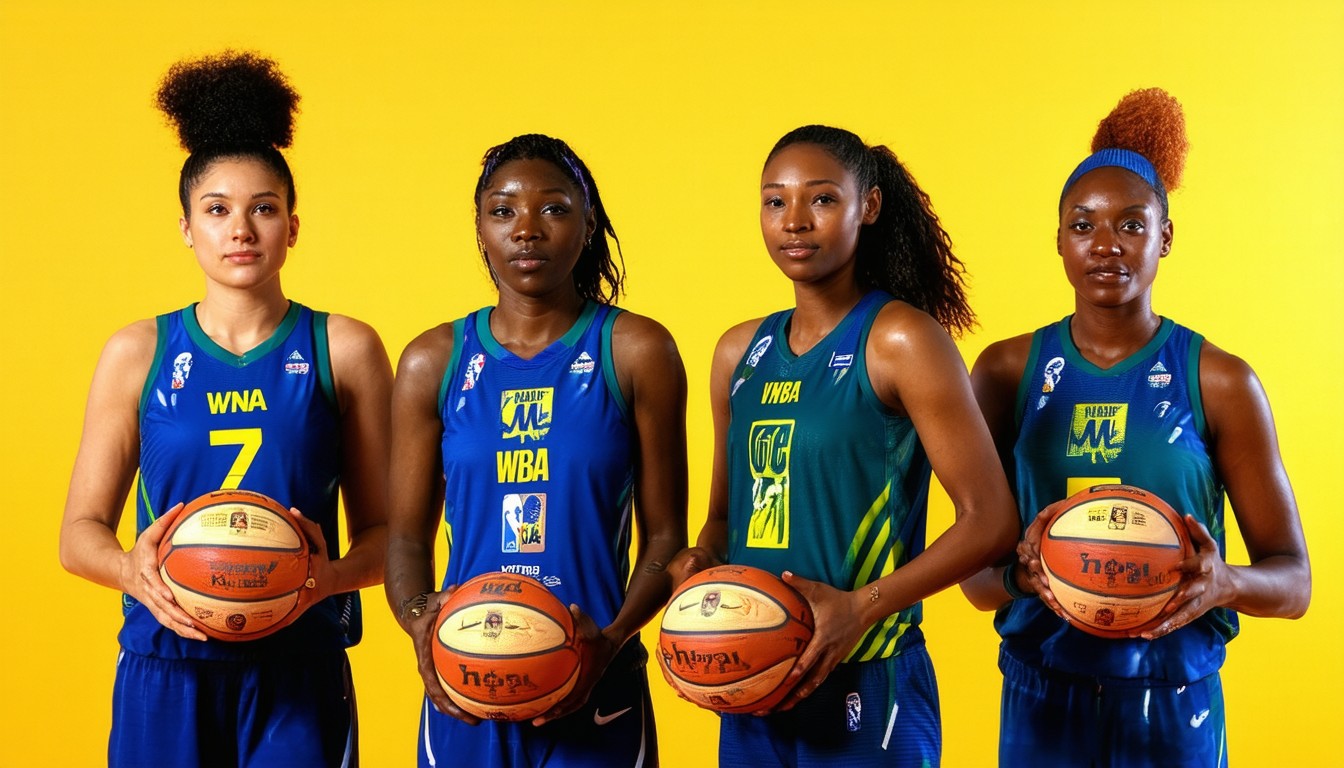

The discussion about gender participation in professional sports has never been more prominent, with evolving policies and public debates reshaping the landscape of athletic competition. In the context of the WNBA (Women’s National Basketball Association), questions frequently arise concerning whether biological males have competed or currently play in the league. This article explores the current status, league policies, and broader societal implications, providing clarity rooted in facts and expert commentary.
The Current State: No Biological Males in the WNBA
Despite persistent rumors and social media speculation, there are currently no biological males playing in the WNBA. Every athlete on active rosters is legally and medically recognized as female under the league’s eligibility and compliance frameworks. The WNBA, since its inception in 1997, has remained a premier professional league for women, upheld by both organizational policies and alignment with the NCAA and FIBA guidelines.
Eligibility and Verification Processes
The WNBA’s eligibility requirements mirror those of leading women’s leagues globally, necessitating documentation of gender identity that aligns with female status for contract and draft consideration. This process includes medical verification and compliance with league and government standards:
- Proof of gender identity (such as birth certificate or passport)
- Adherence to league and FIBA transgender athlete policies (when applicable)
- Verification through team and league medical staff
To date, there is no record of a biological male successfully registering or competing on a WNBA team in any official game.
Navigating Gender Identity and Inclusion in Professional Sports
The intersection of gender, biology, and identity in sports is complex, reflective of ongoing societal change and scientific discourse. Debates over the participation of transgender women—a topic often entangled with the term “biological male”—have prompted the adoption of specific policies across sports organizations.
WNBA and Transgender Athlete Policies
While the WNBA has no public record of a transgender woman (assigned male at birth) in its ranks, the league references broader standards set by the International Olympic Committee (IOC) and FIBA. These standards typically involve:
- Sustained hormone therapy to lower testosterone levels below specified thresholds
- Minimum transition periods before eligibility
- Documented gender reassignment through medical affidavits
So far, no public confirmations exist of athletes meeting these criteria and playing in the WNBA.
“The principle of inclusion must be balanced with fair play, and sports organizations worldwide are still refining how best to manage this delicate equation,” notes Dr. Katrina Karkazis, a leading bioethics expert in gender and sport.
The Broader Sports Landscape
Globally, a limited number of transgender women have participated in women’s leagues. Notably, the NCAA has allowed transgender women who comply with hormone therapy protocols to compete. However, high-profile cases remain rare, and the majority of women’s professional sports leagues have yet to register openly transgender athletes who transitioned from male to female.
Misconceptions, Media Narratives, and the Realities of Women’s Basketball
Despite the evidence-based approach of the WNBA and similar organizations, public perception is often shaped by viral stories, political debates, and misinformation online. Claims about biological males in the WNBA tend to arise from misunderstandings of league policies or from hypothetical cases presented in advocacy or commentary rather than actual occurrences.
Social Media Discourse vs. Roster Reality
Social media platforms can amplify misconceptions, sometimes presenting theoretical policy discussions as current fact. Fact-checking organizations, such as Snopes and PolitiFact, consistently report no confirmed participation of biological males in the WNBA.
Upholding Competitive Integrity
The WNBA’s policies aim for inclusion but uphold rigorous eligibility standards to maintain competitive fairness. League responses to evolving gender identity debates reflect collaboration with leading sports bodies and ongoing dialogue with athlete advocacy groups.
Real-World Example: NCAA and the Lia Thomas Case
Parallel debates have occurred in U.S. collegiate sports, notably around swimmer Lia Thomas. The NCAA’s evolving policies—which require testosterone suppression as a condition for transgender women athletes—have set precedents for professional leagues with similar concerns. However, professional women’s basketball has not experienced an analogous case.
The Evolving Dialogue: What’s Next for Gender Policies in the WNBA?
As cultural awareness of transgender rights grows, the WNBA and other leagues face continued scrutiny and the obligation to refine policies that respect both inclusion and athletic fairness. The question is not only about the presence of biological males in the league—of which there are none—but also how future cases may be handled with transparency and data-driven policy.
Industry Response and Strategic Recommendations
- Engagement with Science: Ongoing evaluation of athletic performance data and hormonal impacts, to guide eligibility.
- Stakeholder Dialogue: Regular forums involving players, advocacy groups, and fans to update policies based on evolving norms.
- Global Benchmarking: Alignment with international sports governance for consistency.
“Athletic organizations must adapt as both science and societal values progress, always prioritizing fairness for all competitors,” observes sports policy analyst Michele Roberts.
Conclusion: Clarity, Fact, and Forward-Looking Policy
In summary, no biological males play in the WNBA at present. The league’s framework is constructed on documentation, medical verification, and adherence to both U.S. and international policies. While the conversation around gender in sports is ongoing, current reality is grounded in fact: the WNBA is, and has always been, a league for women, with no precedent of biological male participation. Looking forward, the league’s ongoing discussions will likely keep it aligned with best practices for fairness and inclusion.
FAQs
Are there any biological males currently playing in the WNBA?
No, there are no biological males on current WNBA rosters. The league’s eligibility criteria require athletes to be legally and medically recognized as female.
Has a transgender woman ever competed in the WNBA?
To date, there are no public records of a transgender woman (an athlete assigned male at birth) participating in the WNBA. The league references IOC and FIBA standards should such a scenario arise.
How does the WNBA handle gender eligibility?
The WNBA conducts thorough documentation and medical verification, adhering to both domestic and international gender policy standards to ensure all players meet eligibility requirements.
Are WNBA policies likely to change in the future?
As societal views and scientific understanding advance, it is possible the WNBA will continue to review and update its policies to ensure both competitive fairness and inclusivity are prioritized.
Do other women’s leagues allow transgender women to play?
Policies vary by sport and league, but many follow guidelines requiring hormone therapy and documented transition. Public participation by transgender women in elite women’s leagues remains rare.




Leave a comment