
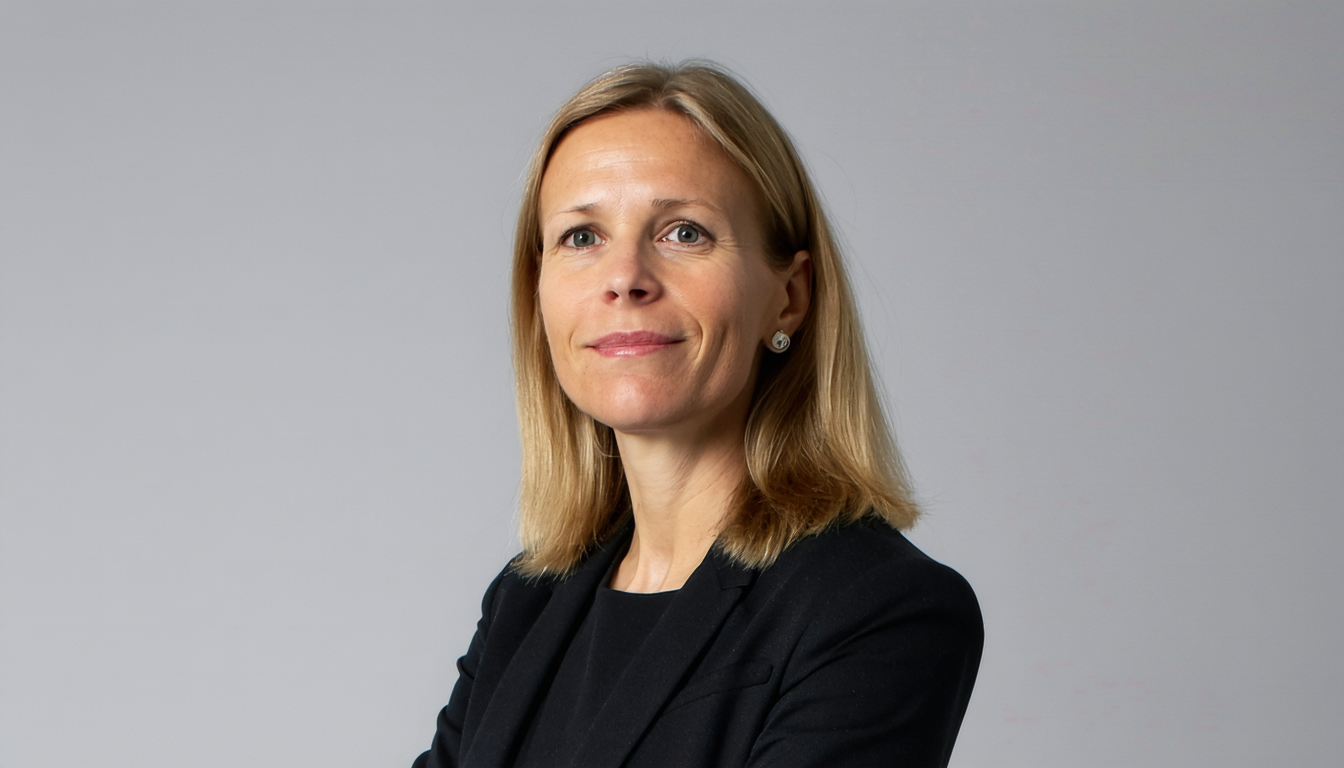

It’s not often one sees the path from wine queen to one of a nation’s top legislative roles, but Julia Klöckner’s journey is, well, something. She’s navigated Germany’s political vineyard with a mix of roots‑fueled heritage and modern ambition. Let’s dive into her story.
Early Life and Unlikely Springboard into Politics
Born December 16, 1972, in the spa town of Bad Kreuznach, Julia Klöckner grew up on a family vineyard in the Nahe region of Rhineland‑Palatinate . She studied political science, Catholic theology, and education at the University of Mainz, earning both a Magistra Artium and a State teaching qualification by 1998 . Early on she worked as a journalist—serving as editor for weinwelt magazine and founding editor-in-chief of Sommelier Magazin .
A quirky but telling start: in 1995 she was crowned German Wine Queen, mobilizing scores of public appointments and media appearances—something that might’ve shaped her comfort in the spotlight .
Climbing the Ranks: Party Roles and State Politics
Her political life began in the mid-1990s when she joined CDU’s youth and women’s wings along with European engagement groups . By 2002, she was elected to the Bundestag representing Rhineland‑Palatinate, and quickly got involved in the committees on consumer protection, agriculture, ethics, and human rights .
A pivotal moment: in 2005 she won the Kreuznach constituency—something CDU hadn’t done in decades—and rose steadily through parliamentary roles, eventually becoming deputy chair of the CDU/CSU parliamentary group’s food, agriculture, and consumer protection working group .
At the state level, she was instrumental. From 2010 to 2022, she led the CDU in Rhineland‑Palatinate, serving also as parliamentary group leader in the state Landtag from 2011 to 2018 .
Federal Leadership: From Secretary to Minister
Nationally, Klöckner rose quickly. In 2009 she became Parliamentary State Secretary for the Ministry of Food, Agriculture and Consumer Protection—an opportunity she later described as starting from a place of real-world empathy as a vintner’s daughter . After returning to state politics, she maintained influence nationally, becoming deputy federal chairwoman of the CDU in 2012 with strong internal support .
Her biggest leap came in March 2018, when she joined Merkel’s cabinet as Federal Minister for Food, Agriculture and Consumer Protection—a role she held until December 2021 . Her tenure focused on sustainable practices, welfare for animals, and consumer-friendly reforms—including transparent food labeling and phasing out male chick culling .
Critics—particularly environmental advocates—questioned her ties with food industry giants like Nestlé, after she publicly praised them for reducing sugar content, leading to debate about her stance on health regulation versus industry alignment .
Return to Federal Stage and Presidential Elevation
After leaving the cabinet, she was elected to the Bundestag again in 2021—this time as spokesperson on economic policy for the CDU/CSU parliamentary group . Then she became CDU treasurer from 2022 to 2025, managing party finances during sensitive times .
Her career peaked in March 2025: in the Bundestag’s inaugural session she was elected President of the Bundestag—Germany’s second-highest office—winning 382 votes to 204, with 31 abstentions . Notably, she is only the fourth woman ever to hold the role and the first to succeed another woman in it .
In her acceptance, Klöckner emphasized impartiality, civility, and resilience in the face of rising political polarization—especially relevant as the Bundestag includes larger AfD representation .
Key Achievements and Impact Frames
- Bridged journalism, regional heritage, and policymaking with her background—adding authenticity to her portfolios.
- Accelerated to federal leadership while consolidating state-level influence—rare dual-track success.
- As Agriculture Minister, championed sustainability and consumer transparency during a time when food labeling and animal welfare gained prominence.
- Broke glass ceilings by becoming Bundestag President—modeling both symbolic and practical progress.
“Parliament is the heart of our democracy, and the president’s job will be to protect this heart.” — Friedrich Merz, upon nominating Klöckner .
An imperfect and human path—sometimes pragmatic, sometimes controversial, always advancing—Julia Klöckner’s political arc reflects both rootedness and ambition.
Conclusion
From vineyard roots to the parliamentary podium, Julia Klöckner has carved a notable presence in German politics. Her narrative blends grounded beginnings, steady party ascent, federal policy influence, and now a unifying leadership role at the heart of Germany’s legislature. She embodies a public figure shaped by access to both regional authenticity and national ambition. Whatever one thinks of her policies or persona, her journey stands as a case study in resilience, adaptability, and political gravitas.
FAQs
Who is Julia Klöckner?
Julia Klöckner is a German CDU politician who, as of March 2025, serves as President of the Bundestag—the formal second-highest state office after the President. She has previously served as Germany’s Agriculture Minister and is known for her long service both in federal and Rhineland‑Palatinate politics .
What notable policies did she support as Agriculture Minister?
As minister from 2018 to 2021, Klöckner emphasized sustainability, animal welfare, and consumer transparency—including reforms like the Nutri‑Score system and a ban on male chick culling. She also advocated for stronger food labeling to guide healthier choices .
What controversies has she faced?
During her ministerial tenure, environmental critics alleged that she showed undue friendliness towards food industry corporations—highlighting a 2019 social media appearance with Nestlé’s German CEO that was seen as too promotional .
What makes her role as Bundestag President significant?
Being only the fourth woman to hold the role—and the first woman to directly succeed another—Klöckner’s election isn’t just ceremonial. It puts her at the helm of parliamentary order, decorum, and representation—at a time when political tensions are high .
How did her political career evolve regionally and nationally?
She began in CDU youth wings and steadily moved up—winning a Bundestag seat in 2002, holding key roles in state and national party leadership, serving in Merkel’s cabinet, returning to federal policymaking, and eventually being elected Bundestag President .
What gives her credibility as a leader?
Rootedness in regional culture, journalistic clarity, and stable party leadership give Klöckner both practical experience and visibility. Her sustained popularity within the CDU and repeated electoral successes reinforce her authority .





Leave a comment