
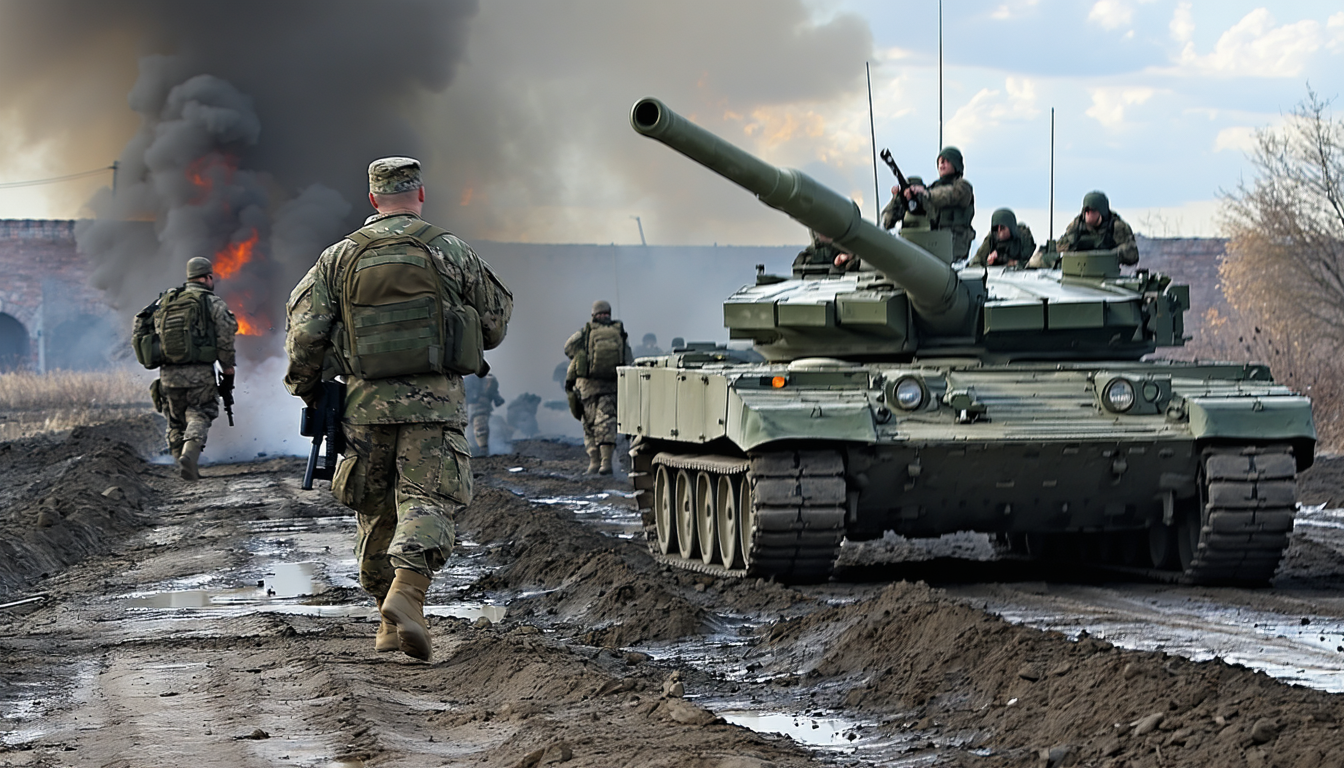

In the swirling storm of global headlines, Ukraine news in early February 2026 remains deeply anchored in the ongoing conflict, diplomatic efforts, and international solidarity. The chill of winter hasn’t softened tensions—rather, it’s intensified matters as Russia unleashes one of its most devastating rounds of strikes yet. At the same time, peace negotiations cautiously press forward, with Ukraine seeking robust security guarantees and allies signaling increased defenses. Let’s dive into the core developments, the high-stakes diplomacy, and what lies ahead.
Intensified Russian Strikes and Their Impact on Ukraine
Russia has launched its most destructive offensive of the year, deploying upwards of 450 drones and around 70 missiles—some reports even cite 71 missiles—striking Ukraine’s power and energy infrastructure during extreme winter cold . The assault hit major cities including Kyiv, Kharkiv, and Zaporizhzhia, leaving over a thousand high-rise apartment buildings without heating in subzero temperatures . Tragically, civilian casualties included teenagers killed in Zaporizhzhia and shelter residents wounded in Kharkiv . This pattern—attacking energy infrastructure during deep winter—is widely seen as “weaponizing winter” to break civilian morale . It creates both a humanitarian crisis and strategic pressure on Ukraine’s resilience.
Diplomacy Under Strain: Peace Talks in Abu Dhabi
At the center of global attention, a second round of US-brokered peace talks convened in Abu Dhabi on February 4–5. The trilateral meetings include U.S., Ukrainian, and Russian delegations . Despite a tense atmosphere, Ukraine’s delegation described the initial January round as “constructive,” though territorial disagreements—especially over the Donbas region—remain fundamental obstacles .
Unsurprisingly, the peace process has faltered under the weight of continued Russian aggression. NATO’s Secretary-General, Mark Rutte, criticized Russia’s timing of the massive strikes as deeply undermining diplomatic goodwill . Meanwhile, Ukraine’s top negotiator, Rustem Umerov, is advocating strongly for binding security guarantees from Europe and the U.S.—a clear signal of Kyiv’s emphasis on deterrence .
Strengthening Defenses: Security Deals and Allied Support
Ukraine reportedly agreed to a U.S.-backed multi-tiered security response plan, inspired by President Trump’s mediation efforts. This plan outlines a cascading response: diplomatic warnings, Ukrainian military action within 24 hours of ceasefire violations, followed by coalition military intervention, and potentially U.S.-led action within 72 hours if hostilities persist .
In addition, NATO allies pledged approximately $15 billion in arms and defense support for Ukraine in 2026, according to Secretary-General Rutte . Sweden and Denmark also announced a combined $290 million package specifically for air-defense systems . Collectively, these measures signal a shift toward a more assertive deterrence model—structured, tiered, and backed by both diplomatic and military channels.
Humanitarian Toll and International Relief Efforts
The human cost of relentless winter bombardment is severe. Homes, shelters, and entire blocks without heat or electricity present stark images of civilian hardship. UN agencies and humanitarian organizations describe the crisis as multi-layered: energy collapse, displacement, infrastructure disrepair, and exposure to extreme weather . Ukraine’s population remains heavily dependent on external aid for survival through this brutal winter.
Narrative Cue: Why This Matters
It’s easy to view these developments as one-off headlines. But step back: this is a story of interplay between aggression, diplomatic artifice, and fragile human resilience. Every missile that damages infrastructure deepens Ukraine’s winter suffering but also sharpens its calls for binding security agreements. Every delayed peace summit reveals cracks in the current architecture of international conflict resolution. The stakes—in life, politics, and geopolitics—are monumental.
“Ukraine doesn’t just want words—it demands binding commitments that can deter aggression, ensure reconstruction, and preserve sovereignty.”
This statement, though not tied to a single speaker, encapsulates the balancing act: deterrence, diplomacy, and reconstruction under fire.
What’s Next: Key Variables to Watch
1. Progress at the Abu Dhabi Talks
Will the February 4–5 session yield tangible breakthroughs—or more delays? Resolution hinges on shared ground around territorial integrity and security assurances. Without compromise, negotiations may stall or collapse entirely .
2. Winter’s Toll and Civil Resilience
The depth and duration of winter attacks will continue shaping both domestic morale and international media narratives. Humanitarian responses will need to scale up alongside recovery efforts.
3. Coalition Response Framework
Implementation of the multi-tiered security deal could signal a new era of collective enforcement. If coalition members follow through, it may serve as a credible deterrent—if they don’t, it could embolden Russia further.
4. Arms Flow and Military Preparedness
Delivery schedules for NATO pledges and US security packages will influence Ukraine’s resilience and battlefield options. Delays or bureaucratic roadblocks could compromise defense readiness.
5. Public Opinion and Political Pressures
How do Ukrainian and Russian publics view these developments? Skepticism persists, particularly around concessions in peace talks. Leadership on both sides may face pressure to deliver—or double down on aggression.
Conclusion: A Fragile Balance of War, Talks, and Hope
As of early February 2026, the Ukraine conflict remains a complex chessboard of strikes, summits, and solidarity. Russia has intensified its winter campaign, targeting critical infrastructure and civilians. In response, Ukraine has leaned increasingly on a structured security pact and diplomatic negotiations that dare to aim for lasting peace—even amid deep mistrust. International allies are stepping up with defense aid, while humanitarian needs skyrocket. The path ahead is narrow and perilous—progress will depend on whether words evolve into binding action, whether coalitions can sustain momentum, and whether Ukraine’s resilience is bolstered rather than broken by winter’s hardship.
FAQs
What triggered the recent surge in Russian strikes?
The intensified barrage appears aimed at undermining Ukraine’s energy infrastructure amid extreme cold—a deliberate tactic to weaken civilian morale and disrupt normal life.
What are the main objectives of the Abu Dhabi peace talks?
The talks aim to establish terms for a ceasefire and long-term peace, particularly focusing on binding security guarantees for Ukraine and resolving territorial disputes, including Donbas.
What does the multi-tier security plan involve?
It outlines a phased response if Russia breaches future ceasefires: diplomatic warning, Ukrainian defense reaction within 24 hours, regional coalition intervention, and potentially U.S.-led action within 72 hours if attacks persist.
How significant is NATO’s pledged support?
NATO Secretary-General Mark Rutte has expressed confidence in securing $15 billion in arms for Ukraine in 2026. Examples of pledged aid include a $290 million air-defense package from Sweden and Denmark.
How are civilians coping with winter attacks?
Communities are confronting extreme hardship—mass power cuts, lost heating, displacement—while humanitarian agencies work to provide winter supplies, cash aid, and shelter repair.
What happens if peace talks fail?
Failure could intensify the conflict, erode diplomatic credibility, and raise the risk of Ukraine seeking unilateral defense strategies. Conversely, successful negotiations could reset regional stability—if enforced with clear and binding commitments.





Leave a comment